

Coping with Childhood Cancer
You are a Social Worker
- All
- Treatments
- Docters
- Better Life
- Types of Treatments
- Diffrent Types of Therapies
- Mental Health
- +1
Featured Topics

Music
Radiation therapy, also known as radiotherapy, is a type of cancer treatment that uses high-energy radiation to kill cancer cells and shrink tumors. It can be used as a standalone treatment or in combination with other cancer…

Art
Radiation therapy, also known as radiotherapy, is a type of cancer treatment that uses high-energy radiation to kill cancer cells and shrink tumors. It can be used as a standalone treatment or in combination with other cancer…

Increased Caloric and Protein Needs
Children with cancer often have increased energy and protein requirements due to the demands of their illness and treatment. Adequate calorie intake helps maintain weight, promote healing, and support the immune system.

Sustaining Survivor Groups
Establishing strong leadership within survivor groups is essential for their sustainability. Leaders can organize meetings, coordinate activities, and provide guidance and support to group members. Facilitators can also be trained to ensure effective…
Targeted therapy
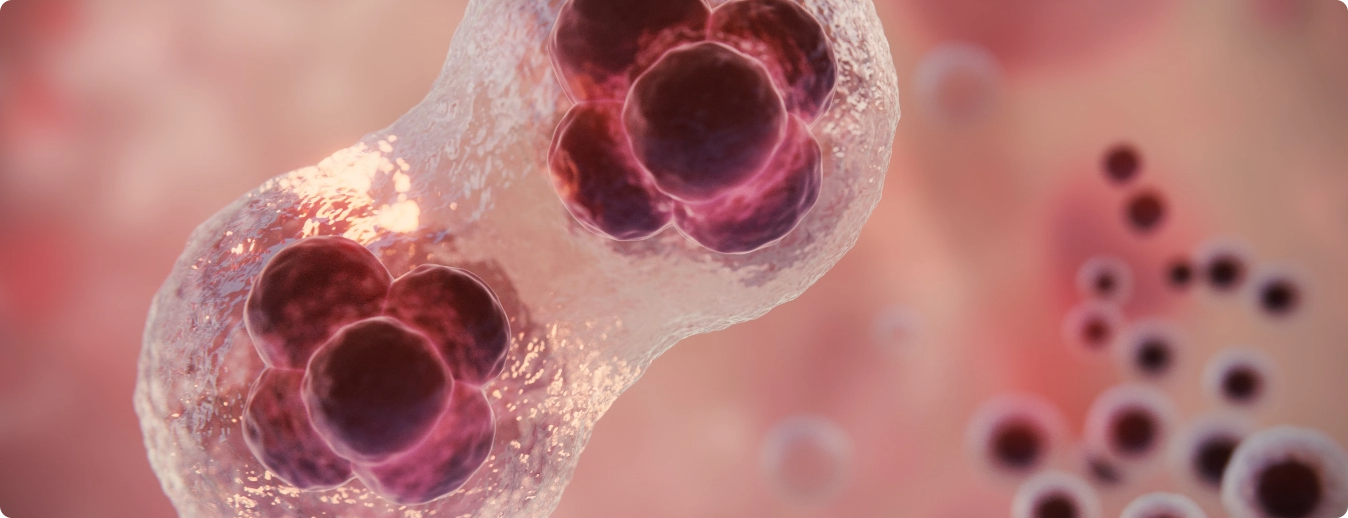
Radiation therapy, also known as radiotherapy, is a type of cancer treatment that uses high-energy radiation to kill cancer cells and shrink tumors. It can be used as a standalone treatment or in combination with other cancer

Post Traumatic Stress Disorder and Cancer.
The prevalence and impact of Post-Traumatic Stress Disorder (PTSD) among cancer patients, particularly during and after treatment, and extends to caregivers as well. The data underscores the vulnerability of preschool patients and the significance of family support and positive relationships with healthcare providers in mitigating PTSD risks.
Recent studies also outline the symptoms of PTSD and emphasize the importance of seeking help to prevent long-term complications such as substance abuse or depression. It also underscores that caregivers can experience PTSD and should avail themselves of support when needed.
Furthermore, the studies identify various risk factors contributing to PTSD, including demographic characteristics, prior mental health conditions, stress levels, and treatment intensity. It emphasizes the role of social support, accurate information dissemination, and good relationships with healthcare providers in reducing PTSD risk.
Lastly, the emotional challenges faced by cancer survivors, with a significant portion experiencing post-traumatic stress (PTS). It emphasizes the importance of acknowledging and addressing post-treatment struggles, and offering various treatment options to support survivors' well-being. Overall, the report provides valuable insights into the psychological impact of cancer and underscores the importance of proactive support and intervention to mitigate PTSD risks and promote resilience among patients and caregivers alike.
For Reference
https://www.cancer.net/coping-with-cancer/managing-emotions/post-traumatic-stress-disorder-and-cancer
https://www.cancer.org/cancer/survivorship/long-term-health-concerns/post-traumatic-stress-disorder-and-cancer.html
https://www.cityofhope.org/patients/survivorship/emotional-health-after-cancer-treatment/how-to-cope-with-post-traumatic-stress
https://www.cancer.net/coping-with-cancer/managing-emotions/post-traumatic-growth-and-cance

Emotional Trauma and Cancer
The normalcy of experiencing distress during cancer treatment, citing symptoms such as sadness, fear, irritability, and social withdrawal is proven to be normal according to recent studies. Encouragement is given to seek help when distress begins to interfere with daily life, with options including consultation with oncology teams, counselling, or connecting with support groups.
Moreover, the prevalence of post-traumatic stress (PTS) among cancer patients, noting its potential progression to post-traumatic stress disorder (PTSD) if left untreated. Symptoms of PTSD, including hypervigilance and intrusive memories, are outlined, with cognitive behavioural therapy (CBT) and eye movement desensitization and reprocessing (EMDR) suggested as effective interventions.
The vulnerability of children to developing PTS and the heightened risk among cancer survivors with a history of recurrence or childhood cancer are highlighted. Seeking help and discussing symptoms with physicians are encouraged, with an emphasis on recognizing risk factors and the importance of seeking assistance.
The wide array of emotions experienced by individuals facing cancer, experience shock, fear, denial, anger, and depression as common responses. These experiences stress the significance of seeking support from healthcare teams, friends, and family, as well as addressing mental health concerns. Maintaining hope is emphasized as essential, with a call to strike a balance between realistic hope and false hope to navigate the cancer journey with resilience.
For More Information
https://www.cure4kids.org/private/oncochap/ocrev_242/Onco-Ch50-Psyco-Oncology.pdf
https://www.cancer.net/blog/2017-11/how-recognize-cancer-distress-%E2%80%94-and-cope-with-it
https://www.cancercenter.com/integrative-care/ptsd
https://cancer.ca/en/living-with-cancer/coping-with-changes/your-emotions-and-cancer
Mental Health and Paediatric Cancer Patients
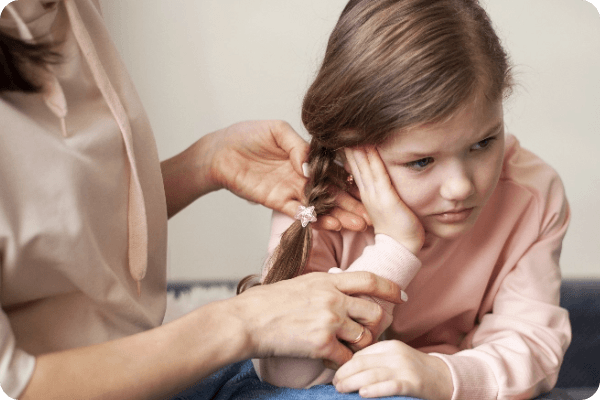
The field of paediatric psycho-oncology is dedicated to understanding and addressing the emotional and behavioural challenges faced by children and adolescents diagnosed with cancer. A comprehensive review of existing literature and clinical practices sheds light on the multifaceted nature of this endeavour and offers valuable insights into effective approaches for supporting patients and their families.
Children undergoing cancer treatment often encounter a myriad of psychological issues, ranging from anxiety and depression to neurocognitive deficits, particularly in cases involving brain tumours. Recognizing the prevalence of these challenges, routine psychological screening and assessment are recommended to identify patients and families in need of support from the onset of diagnosis. This proactive approach allows for timely intervention and the provision of appropriate resources to mitigate distress and optimize overall well-being.
In addressing these psychological concerns, a range of treatment modalities is employed, including individual psychotherapy such as cognitive behavioural therapy, pharmacotherapy, and neuropsychological monitoring. Tailoring interventions to meet the unique needs of each patient and family unit is essential for fostering resilience and facilitating coping mechanisms. Moreover, the significance of family support cannot be overstated, with dedicated sessions, sibling support, and family therapy serving as crucial components of comprehensive care.
For children nearing the end of life, compassionate palliative care aimed at addressing physical, psychological, and spiritual needs is paramount. Equally important is the provision of bereavement support for families coping with the loss of a child, ensuring that they receive the necessary assistance and guidance during this challenging period.
An integrated approach, characterized by close collaboration between mental health professionals and the medical team, is advocated for the optimal delivery of psychosocial services. However, in settings where mental health resources may be limited, training paediatric staff in basic emotional support strategies can serve as a valuable interim measure.
While current practices are informed by clinical consensus and existing evidence, there remains a pressing need for further research to establish evidence-based interventions in paediatric psycho-oncology. Continued efforts to advance our understanding of the psychological aspects of childhood cancer and refine therapeutic approaches will ultimately contribute to improved outcomes and enhanced quality of life for paediatric oncology patients and their families.
References
https://iacapap.org/_Resources/Persistent/bd5ed920e764a942a252495e744072214f773c69/I.6-PSYCHOONCOLOGY-2019.01.pdf
https://www.sciencedirect.com/science/article/abs/pii/S0882596318305918
https://www.ncbi.nlm.nih.gov/pmc/articles/PMC5447114/pdf/ymj-58-816.pdf
https://www.cancerresearchuk.org/about-cancer/coping/mental-health-cancer/during-and-after-cancer-treatment

Effects of Childhood Cancer on Mental Health During and After Treatment
In the realm of cancer care, emotions run deep, shaping the journey of both patients and caregivers alike. This narrative unfolds against the backdrop of a diagnosis, where the news of cancer casts a shadow of uncertainty and fear. In the face of this daunting reality, individuals find themselves grappling with a myriad of emotions, each one a thread in the tapestry of their experience.
Loneliness emerges as a silent companion in the early stages, as patients confront the stark reality of their diagnosis. Isolation becomes a palpable presence, casting a veil of solitude over their world. Yet, it is in this solitude that the seeds of resilience are sown, as patients reach out for connection, seeking solace in the embrace of loved ones and the warmth of support groups.
Nervousness and fear lurk at the edges of consciousness, their presence a constant reminder of the uncertainty that lies ahead. The specter of what-ifs haunts the mind, casting doubt on the path forward. Yet, amidst the turmoil, there is a glimmer of hope, a beacon of light that guides patients through the darkness. It is the resilience of the human spirit, the unwavering determination to persevere in the face of adversity.
Body image concerns surface as treatment takes its toll on the physical self, leaving scars both seen and unseen. Patients confront a new reality, one in which their reflection in the mirror bears the marks of their battle. Yet, with each scar comes a story, a testament to the strength and courage that defines their journey. In the face of adversity, patients find beauty in resilience, embracing their scars as badges of honor.
Against this backdrop of emotion, patients and caregivers navigate the uncharted waters of cancer care, each step a testament to their strength and resilience. Through the tears and the triumphs, they find solace in the knowledge that they are not alone, that there is a community of support standing beside them. Together, they forge ahead, facing each new day with courage and hope, united in their journey toward healing and wholeness.
References
https://onlinelibrary.wiley.com/doi/full/10.1002/pbc.29039
https://acsjournals.onlinelibrary.wiley.com/doi/full/10.1002/cncr.30348
https://www.cancer.net/blog/2020-08/why-people-with-cancer-need-be-taking-care-their-mental-health
https://www.cancersupportcommunity.org/coping-mental-health-concerns#caregivers-and-mental-health
Ways Parents Can Provide Emotional and Practical Support

Be there for your child
Your child needs you now more than ever. Show them that you are there for them and that you care.Your child needs you now more than ever. Show them that you are there for them and that you care.

Advocate for your child
Your child needs you now more than ever. Show them that you are there for them and that you care.Your child needs you now more than ever. Show them that you are there for them and that you care.