


Survivorship
Overview
Nurturing Hope and Embracing Life
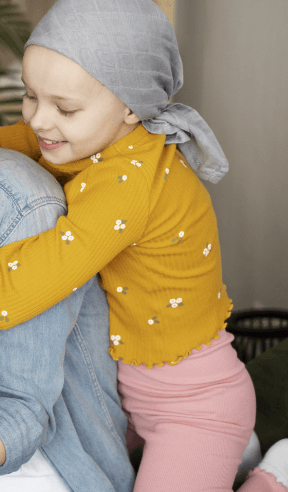
Survivorship in childhood cancer marks a significant milestone in a young individual’s life. Over the years, advancements in medical treatments have increased the survival rates of children diagnosed with cancer. While the journey through cancer treatment can be arduous, it is crucial to recognize the unique challenges and triumphs that survivors face after their treatment ends. This article explores the concept of survivorship in childhood cancer, highlighting the physical, emotional, and social aspects, and emphasizing the importance of comprehensive support for these brave individuals.
Life after cancer
Thriving Beyond the Diagnosis


85%
Cancer survival rates
Life after cancer
Thriving Beyond the Diagnosis
Life after childhood cancer marks a new chapter filled with hope, resilience, and the opportunity to embrace a vibrant future. Survivors of childhood cancer face unique challenges and triumphs as they navigate the path of post-treatment life. This article explores the multifaceted aspects of life after childhood cancer, emphasizing the physical, emotional, and social dimensions and highlighting the potential for growth and empowerment beyond the diagnosis.
Types of cancer
Types of Cancer in Children
There are many types of childhood cancer, and they can affect different parts of the body. Here are some of the most common types of childhood cancer:
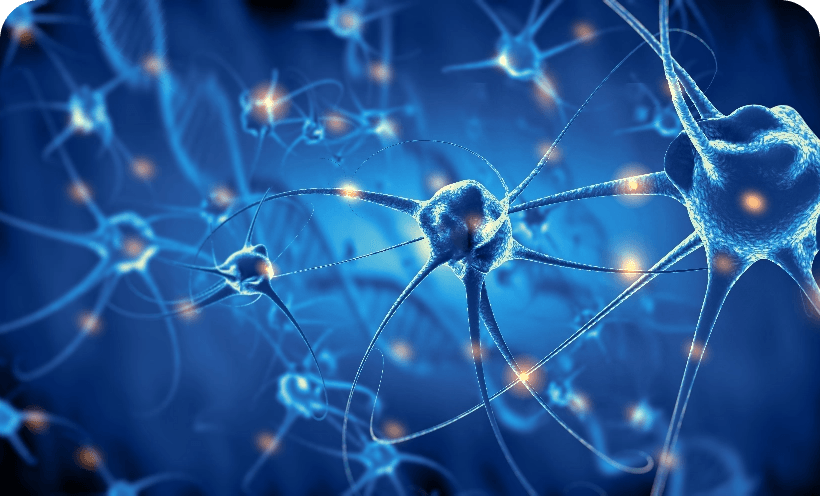
Brain and central nervous system tumors
Tumors that grow in the brain or spinal cord.Tumors that grow in the brain or spinal cord.Tumors that grow in the brain or spinal cord.Tumors that grow in the brain or spinal cord.Tumors that grow in the brain or spinal cord.Tumors that grow in the brain or spinal cord.Tumors that grow in the brain or spinal cord.Tumors that grow in the brain or spinal cord.Tumors that grow in the brain or spinal cord.Tumors that grow in the brain or spinal cord.Tumors that grow in the brain or spinal cord.Tumors that grow in the brain or spinal cord.Tumors that grow in the brain or spinal cord.Tumors that grow in the brain or spinal cord.Tumors that grow in the brain or spinal cord.Tumors that grow in the brain or spinal cord.Tumors that grow in the brain or spinal cord.Tumors that grow in the brain or spinal cord.Tumors that grow in the brain or spinal cord.Tumors that grow in the brain or spinal cord.

Lymphoma
Cancer that affects the lymphatic system, which is a network of vessels and nodes.Cancer that affects the lymphatic system, which is a network of vessels and nodes…Cancer that affects the lymphatic system, which is a network of vessels and nodes…Cancer that affects the lymphatic system, which is a network of vessels and nodes…Cancer that affects the lymphatic system, which is a network of vessels and nodes…Cancer that affects the lymphatic system, which is a network of vessels and nodes…Cancer that affects the lymphatic system, which is a network of vessels and nodes.
Ewing sarcoma
a cancer that usually arises in the bones or soft tissues around the bones.a cancer that usually arises in the bones or soft tissues around the bones.a cancer that usually arises in the bones or soft tissues around the bones.a cancer that usually arises in the bones or soft tissues around the bones.a cancer that usually arises in the bones or soft tissues around the bones.a cancer that usually arises in the bones or soft tissues around the bones.a cancer that usually arises in the bones or soft tissues around the bones.a cancer that usually arises in the bones or soft tissues around the bones.a cancer that usually arises in the bones or soft tissues around the bones.a cancer that usually arises in the bones or soft tissues around the bones.a cancer that usually arises in the bones or soft tissues around the bones.a cancer that usually arises in the bones or soft tissues around the bones.a cancer that usually arises in the bones or soft tissues around the bones.a cancer that usually arises in the bones or soft tissues around the bones.
Fetility
Navigating Options and Preserving Hope
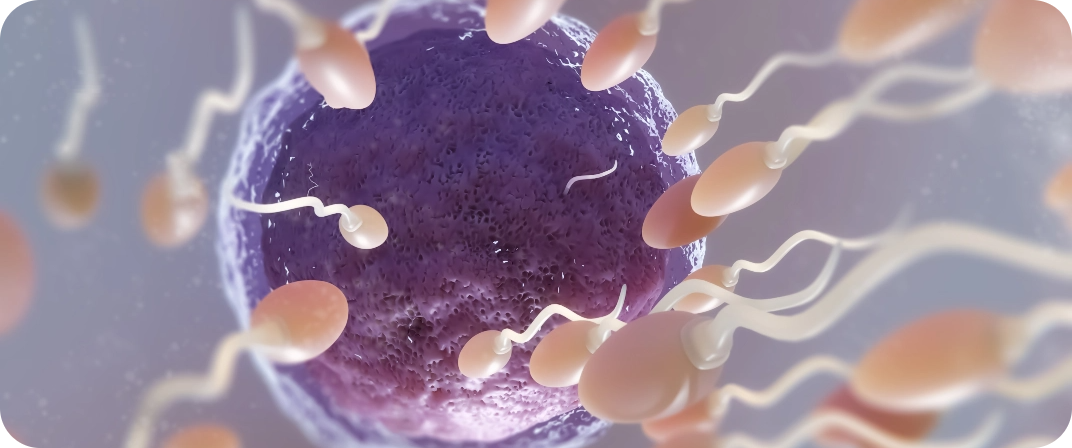
Childhood cancer treatments have significantly improved survival rates, allowing many young individuals to overcome the disease. However, certain treatments can pose a risk to fertility, impacting the reproductive potential of childhood cancer survivors.

Impact of Treatment
Cancer treatments, such as chemotherapy, radiation therapy, and surgery, can damage reproductive organs and impair fertility in both

Age Considerations
The age at which treatment is received plays a significant role in fertility preservation options and outcomes. Prepubescent children have fewer

Public Education
Raising awareness about fertility preservation options and the potential impact of cancer treatments on fertility can help individuals and healthcare
Mental Health
Understanding and Supporting Mental Health


Mental Health
Understanding and Supporting Mental Health
Nurturing Resilience Childhood cancer is not only a physical battle but also impacts the mental health and well-being of young patients. The diagnosis, treatment process, and long-term effects can have significant psychological and emotional consequences. Addressing the mental health needs of children with cancer requires a multidisciplinary approach involving healthcare professionals, psychologists, social workers, and support organizations. By providing comprehensive mental health support, we can help children and their families navigate the emotional impact of childhood cancer and promote overall well-being and resilience.
Social Stigma
Confronting Social Stigma in Childhood Cancer
Social Stigma
Confronting Social Stigma in Childhood Cancer
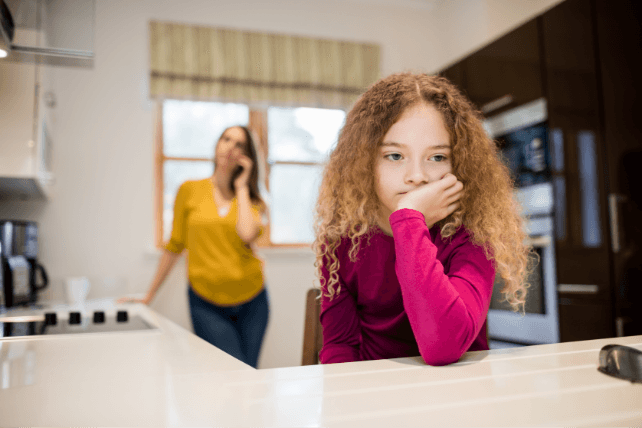
Misconceptions and Fear
People may have misconceptions or limited understanding about childhood cancer, leading to fear and avoidance. Some individuals may mistakenly believe that cancer is contagious or that it is always a terminal illness.
Blame and Judgment
People may have misconceptions or limited understanding about childhood cancer, leading to fear and avoidance. Some individuals may mistakenly believe that cancer is contagious or that it is always a terminal illness.

Discrimination and Exclusion
Childhood cancer is a devastating disease that affects children and their families, and more research and support is needed.
Emotional Burden
Childhood cancer is a devastating disease that affects children and their families, and more research and support is needed.

Financial Stigma
Childhood cancer is a devastating disease that affects children and their families, and more research and support is needed.
People may have misconceptions or limited understanding about childhood cancer, leading to fear and avoidance. Some individuals may mistakenly believe that cancer is contagious or that it is always a terminal illness.
People may have misconceptions or limited understanding about childhood cancer, leading to fear and avoidance. Some individuals may mistakenly believe that cancer is contagious or that it is always a terminal illness.
Childhood cancer is a devastating disease that affects children and their families, and more research and support is needed.
Childhood cancer is a devastating disease that affects children and their families, and more research and support is needed.
Childhood cancer is a devastating disease that affects children and their families, and more research and support is needed.
Reintegration
Navigating the Path of Reintegration

Reintegration into school
Reintegration into school after cancer treatment can be a significant
milestone for children. It is a crucial step in their recovery returning Reintegration into school after cancer treatment can be a significant milestone for children. It is a crucial step in their recovery returning

Reintegration into Society
Reintegration into school after cancer treatment can be a significant milestone for children. It is a crucial step in their recovery returning
Empowering Childhood
Survivorship after childhood cancer is a significant milestone, but the journey doesn’t end there.
These are some strategies for establishing:
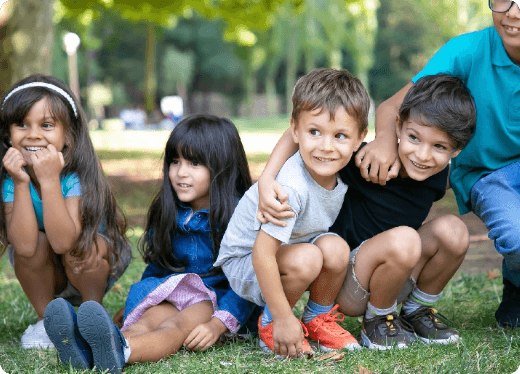
The Importance of Survivor Groups
Survivor groups create a community where childhood cancer survivors can connect with others who have shared similar experiences. It helps combat feelings of isolation and provides a sense of belonging.
Establishing Survivor Groups
Partnering with healthcare providers, hospitals, or treatment centers is crucial in identifying and connecting childhood cancer survivors to survivor groups. Medical professionals can provide valuable insights, recommendations… Partnering with healthcare providers, hospitals, or treatment centers is crucial in identifying and connecting childhood cancer survivors to survivor groups. Medical professionals can provide valuable insights, recommendations Partnering with healthcare providers, hospitals, or treatment centers is crucial in identifying and connecting childhood cancer survivors to survivor groups. Medical professionals can provide valuable insights, recommendations

Sustaining Survivor Groups
Establishing strong leadership within survivor groups is essential for their sustainability. Leaders can organize meetings, coordinate activities, and provide guidance and support to group members. Facilitators can also be trained to ensure effective…

Impact and Outcomes
Survivor groups contribute to improved psychological and emotional well-being among childhood cancer survivors. They provide a platform for emotional expression, validation, and support, reducing feelings of anxiety, depression, and isolation.
Followup
Nurturing Wellness Follow-up Care
Survivorship is an important phase in the journey of childhood cancer patients. It is crucial to provide comprehensive follow-up care to monitor their long-term health, address potential late effects of treatment, and support their overall well-being.
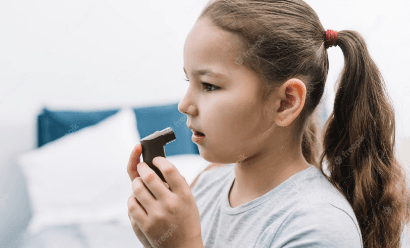
Understanding the Importance of Follow-up Care
ollow-up care allows healthcare providers to monitor and manage any potential late effects of childhood cancer treatment. Regular check-ups and screenings help identify and address any emerging health issues, such as organ dysfunction, hormonal imbalances, or secondary cancers.
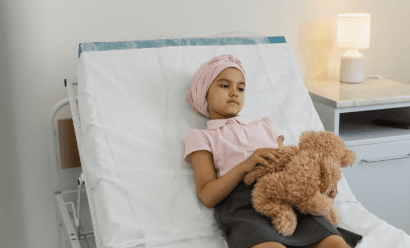
Components of Survivorship Care
Each survivor should receive an individualized survivorship care plan (SCP) that outlines specific follow-up care recommendations tailored to their treatment history, potential risks, and health needs. The SCP serves as a roadmap for ongoing care and helps coordinate services among healthcare providers.
Benefits of Follow-up Care in Survivorship
Regular follow-up care enables early detection of any potential complications or late effects, allowing for timely interventions and improved health outcomes. Prompt intervention can minimize the impact of certain late effects and optimize quality of life.
Lifestyle
Embracing a Healthy Lifestyle after Childhood Cancer


Lifestyle
Embracing a Healthy Lifestyle after Childhood Cancer
Childhood cancer treatments have significantly improved survival rates, allowing many young individuals to overcome the disease. However, certain treatments can pose a risk to fertility, impacting the reproductive potential of childhood cancer survivors.
- The Importance of a Healthy Lifestyle
- Components of a Post Cancer Lifestyle
- Practical Tips for Embracing a Healthy Lifestyle
Myths and facts
Debunking Myths and Revealing Facts about Childhood Cancer
Childhood cancer treatments have significantly improved survival rates, allowing many young individuals to overcome the disease. However, certain treatments can pose a risk to fertility, impacting the reproductive potential of childhood cancer survivors.
fact
Childhood cancer isn’t contagious, it’s not transmitted by a virus, nor is it infectious. It’s safe to play, socialise and interact with childhood cancer survivors.
fact
Childhood cancer isn’t contagious, it’s not transmitted by a virus, nor is it infectious. It’s safe to play, socialise and interact with childhood cancer survivors.
fact
Childhood cancer isn’t contagious, it’s not transmitted by a virus, nor is it infectious. It’s safe to play, socialise and interact with childhood cancer survivors.