


Childhood Cancer
Childhood cancer
What is childhood cancer?
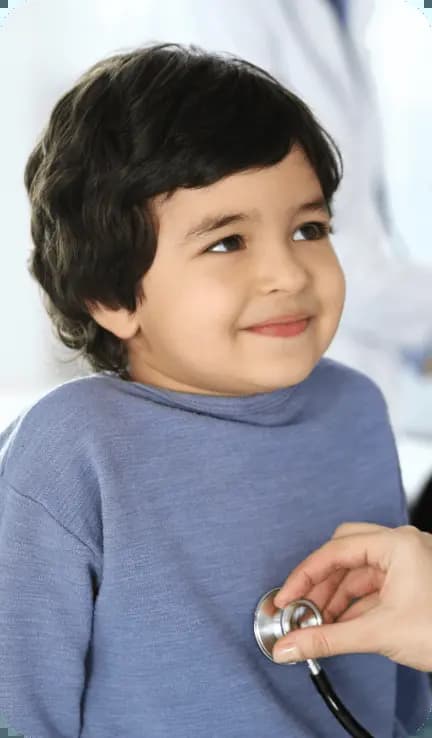


50,000+
New cases annually (ICMR).
Childhood cancer
What is childhood cancer?
Childhood cancer is a type of cancer that occurs in children and teenagers, typically under the age of 18. Cancer is a disease in which cells in the body grow and divide uncontrollably, forming tumors, invading nearby tissues and organs. Childhood cancer can affect any part of the body, including the blood, bone marrow, brain and nervous system, muscles and connective tissues, kidneys, liver, and lymphatic system.
Cancer remains a significant health concern because it can be difficult to diagnose and treat, and it can have a major impact on the lives of affected children and their families.
Causes
What Causes for Childhood cancer
The exact causes of childhood cancer are not fully understood, but it is believed that a combination of genetic and environmental factors may play a role. Here are some of the factors that may contribute to the development of childhood cancer

Genetic mutations
Genetic mutations can occur in ceartain genes that control cell growth, division, and repair, increasing the risk of childhood cancer.

Environmental factors
Exposure to certain environmental factors, such as radiation, pollacution, pesticides, or certain chemicals, may increase the risk of childhood cancer.

Certain infections or Medical conditions
Certain infections or medical conditions, such as HIV, Epstein-Barr virus, or immune system disorders, can increase the risk of childhood cancer.
Types of cancer
Types of Cancer in Children
There are many types of childhood cancer, and they can affect different parts of the body. Here are some of the most common types of childhood cancer:
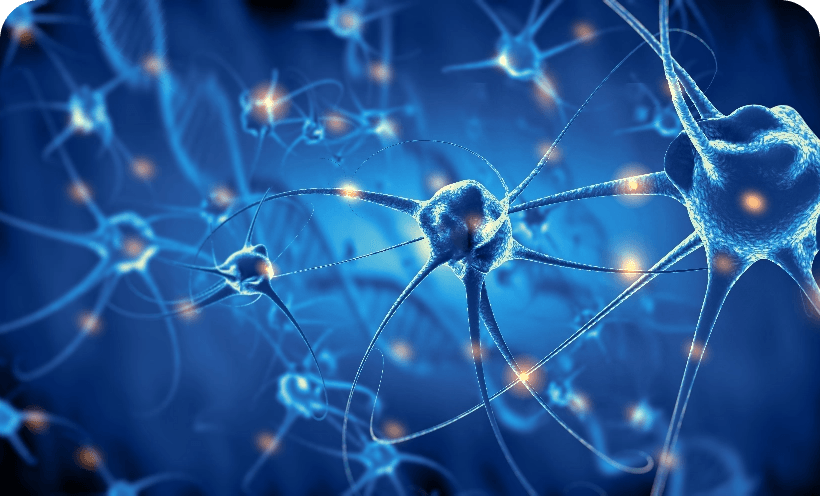
Brain and central nervous system tumors
Tumors that grow in the brain or spinal cord.Tumors that grow in the brain or spinal cord.Tumors that grow in the brain or spinal cord.Tumors that grow in the brain or spinal cord.Tumors that grow in the brain or spinal cord.Tumors that grow in the brain or spinal cord.Tumors that grow in the brain or spinal cord.Tumors that grow in the brain or spinal cord.Tumors that grow in the brain or spinal cord.Tumors that grow in the brain or spinal cord.Tumors that grow in the brain or spinal cord.Tumors that grow in the brain or spinal cord.Tumors that grow in the brain or spinal cord.Tumors that grow in the brain or spinal cord.Tumors that grow in the brain or spinal cord.Tumors that grow in the brain or spinal cord.Tumors that grow in the brain or spinal cord.Tumors that grow in the brain or spinal cord.Tumors that grow in the brain or spinal cord.Tumors that grow in the brain or spinal cord.

Lymphoma
Cancer that affects the lymphatic system, which is a network of vessels and nodes.Cancer that affects the lymphatic system, which is a network of vessels and nodes…Cancer that affects the lymphatic system, which is a network of vessels and nodes…Cancer that affects the lymphatic system, which is a network of vessels and nodes…Cancer that affects the lymphatic system, which is a network of vessels and nodes…Cancer that affects the lymphatic system, which is a network of vessels and nodes…Cancer that affects the lymphatic system, which is a network of vessels and nodes.

Ewing sarcoma
a cancer that usually arises in the bones or soft tissues around the bones.a cancer that usually arises in the bones or soft tissues around the bones.a cancer that usually arises in the bones or soft tissues around the bones.a cancer that usually arises in the bones or soft tissues around the bones.a cancer that usually arises in the bones or soft tissues around the bones.a cancer that usually arises in the bones or soft tissues around the bones.a cancer that usually arises in the bones or soft tissues around the bones.a cancer that usually arises in the bones or soft tissues around the bones.a cancer that usually arises in the bones or soft tissues around the bones.a cancer that usually arises in the bones or soft tissues around the bones.a cancer that usually arises in the bones or soft tissues around the bones.a cancer that usually arises in the bones or soft tissues around the bones.a cancer that usually arises in the bones or soft tissues around the bones.a cancer that usually arises in the bones or soft tissues around the bones.
Symptoms
Symptoms of Childhood Cancer
Symptoms of cancer in children in may initially present itself as a common childhood illness. But it is important to flag any symptom that is persistent and is present without a logical explanation. Some of the symptoms of cancer in children are listed below:
They're unable to poop or urinate/ there's blood in their urine/stools.
An unexplained lump, firmness or swelling anywhere in the body
Tummy (abdominal) pain or swelling or Headaches that doesn't go away
Back or bone pain that doesn't go away
Unexplained seizures (fits) or changes in their behaviour and mood
Unusual paleness
Feeling tired all the time
Frequent infections or flu-like symptoms
Unexplained vomiting (being sick) or blood in their vomit/spit
Unexplained high temperature (fever) or sweating
Feeling short of breath
Changes in the appearance of the eye or unusual eye reflections in photos
Frequent or unexplained bruising
A rash of small red or purple spots that can't be explained and don't fade. (This may be harder to see on black or brown skin.)
Sudden weight loss with no explanation.
Treatments
Types of Treatments
Treatments
Types of Treatments

Radiation therapy
Radiation therapy, also known as radiotherapy, is a type of cancer treatment that uses high-energy radiation to kill cancer cells and shrink tumors. It can be used as a standalone treatment or in combination with other cancer
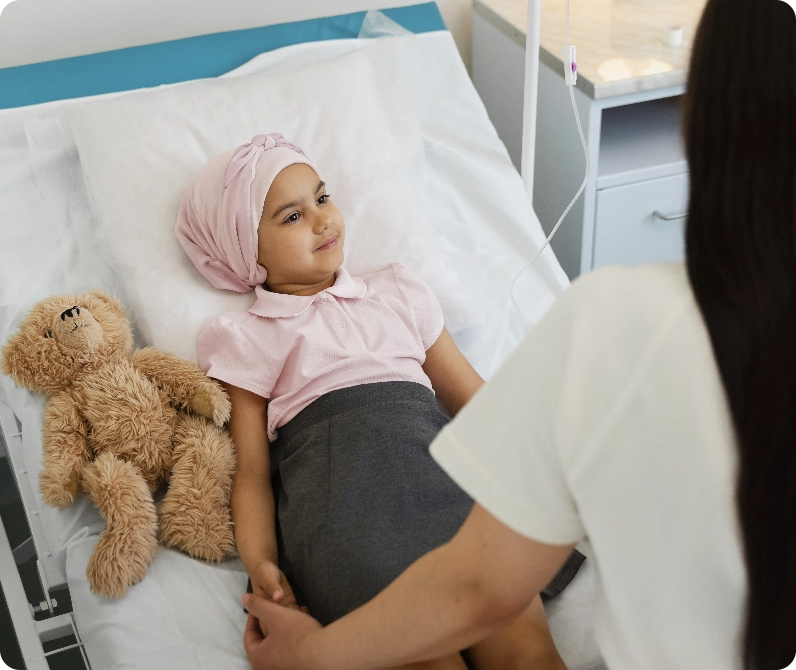
Surgery
Radiation therapy, also known as radiotherapy, is a type of cancer treatment that uses high-energy radiation to kill cancer cells and shrink tumors. It can be used as a standalone treatment or in combination with other cancer

Chemotherapy
Radiation therapy, also known as radiotherapy, is a type of cancer treatment that uses high-energy radiation to kill cancer cells and shrink tumors. It can be used as a standalone treatment or in combination with other cancer
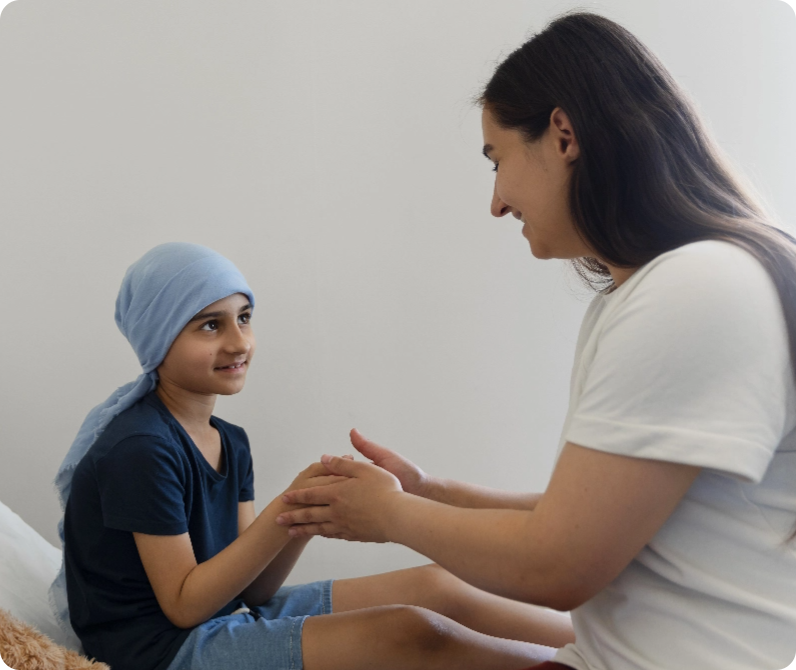
Immunotherapy
Radiation therapy, also known as radiotherapy, is a type of cancer treatment that uses high-energy radiation to kill cancer cells and shrink tumors. It can be used as a standalone treatment or in combination with other cancer
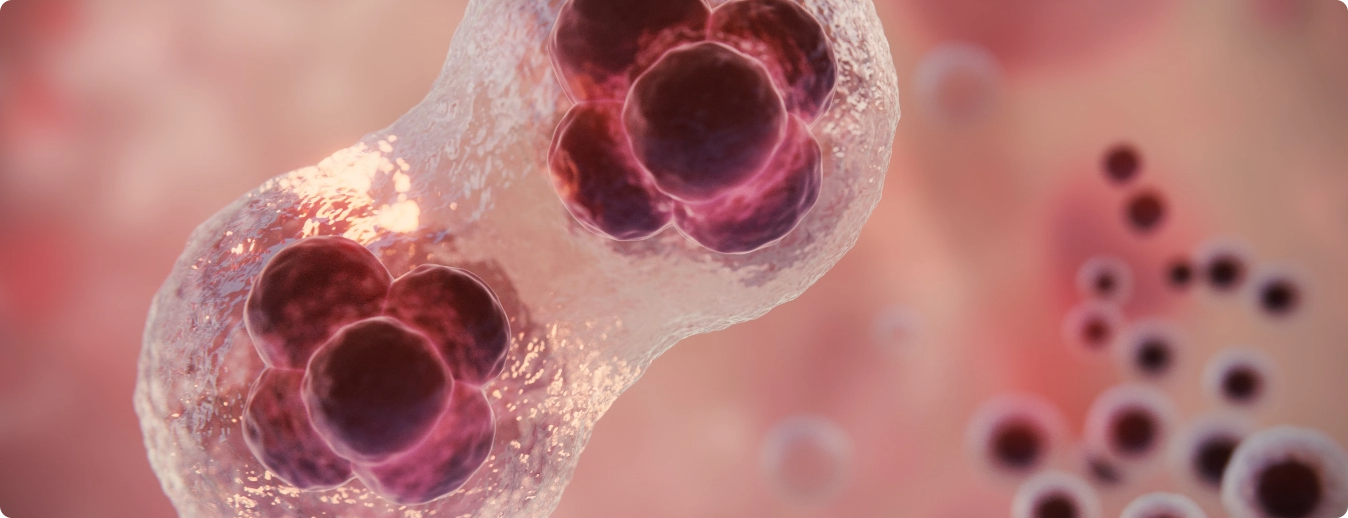
Stem cell transplant
Radiation therapy, also known as radiotherapy, is a type of cancer treatment that uses high-energy radiation to kill cancer cells and shrink tumors. It can be used as a standalone treatment or in combination with other cancer
Targeted therapy
Radiation therapy, also known as radiotherapy, is a type of cancer treatment that uses high-energy radiation to kill cancer cells and shrink tumors. It can be used as a standalone treatment or in combination with other cancer
Radiation therapy, also known as radiotherapy, is a type of cancer treatment that uses high-energy radiation to kill cancer cells and shrink tumors. It can be used as a standalone treatment or in combination with other cancer
Radiation therapy, also known as radiotherapy, is a type of cancer treatment that uses high-energy radiation to kill cancer cells and shrink tumors. It can be used as a standalone treatment or in combination with other cancer
Radiation therapy, also known as radiotherapy, is a type of cancer treatment that uses high-energy radiation to kill cancer cells and shrink tumors. It can be used as a standalone treatment or in combination with other cancer
Radiation therapy, also known as radiotherapy, is a type of cancer treatment that uses high-energy radiation to kill cancer cells and shrink tumors. It can be used as a standalone treatment or in combination with other cancer
Radiation therapy, also known as radiotherapy, is a type of cancer treatment that uses high-energy radiation to kill cancer cells and shrink tumors. It can be used as a standalone treatment or in combination with other cancer
Radiation therapy, also known as radiotherapy, is a type of cancer treatment that uses high-energy radiation to kill cancer cells and shrink tumors. It can be used as a standalone treatment or in combination with other cancer
Side effects
Common Side Effects of Childhood Cancer

Fatigue and weakness
Childhood cancer and its treatments can have various side effects, which can vary

Weight loss
Childhood cancer and its treatments can have various side effects, which can vary

Nausea and vomiting
Childhood cancer and its treatments can have various side effects, which can vary

Hair loss
Childhood cancer and its treatments can have various side effects, which can vary

Mouth sores
Childhood cancer and its treatments can have various side effects, which can vary

Skin changes
Childhood cancer and its treatments can have various side effects, which can vary

Neurological side effects
Childhood cancer and its treatments can have various side effects, which can vary

Low blood cell counts
Childhood cancer and its treatments can have various side effects, which can vary

Emotional & psychological Change
Chilchood cancer ancuts treatmonts can have various side effects, which can vary
Long-term Consequences
Long Term Effects of Childhood Cancer
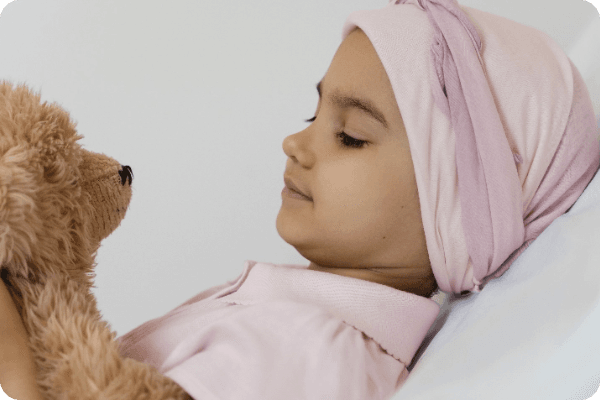
Second cancers
Survivors of childhood cancer are at higher risk of developing a second. Survivors of childhood cancer are at higher risk of developing a second.
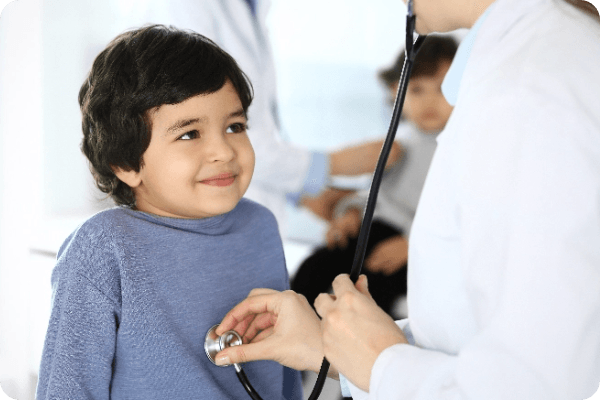
Cardiovascular disease
adiation therapy and certain chemotherapy drugs can damage
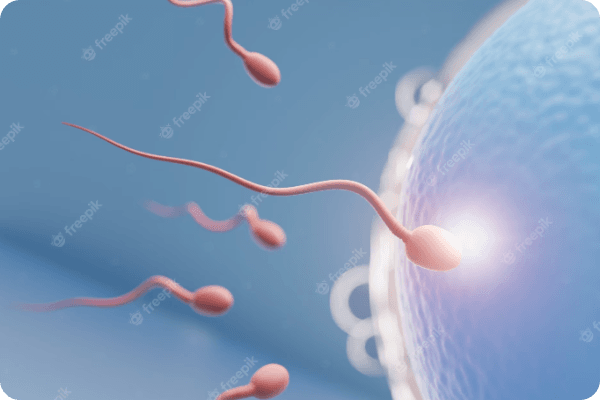
Infertility
Treatment for childhood cancer can damage the reproductive organs,

Growth and development problems
Growth and development problems:

Cognitive and neurological problems
Some treatments can caus cognitive

Emotional and psychological problems
Survivors of childhood cancer may Survivors of childhood cancer may Survivors of childhood cancer may
Hormonal problems
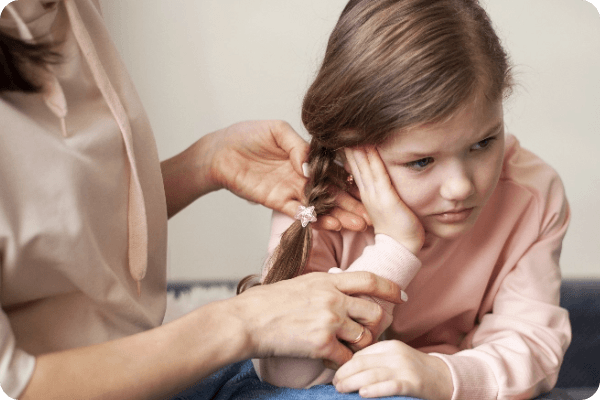
Survivors may experience hormonal problems later in life, infertility, early Survivors may experience hormonal problems later in life, infertility, early
Palliative Care
Palliative Care & Support for the children


Palliative Care
Palliative Care & Support for the children
Palliative care is specialized medical care for people living with a serious illness, such as cancer. Palliative care relieves symptoms caused by cancer and improves the quality of life of patients and their families. Not all children with cancer can be cured, but relief of suffering is possible for everyone. Paediatric palliative care is considered a core component of comprehensive care, starting when the illness is diagnosed and continuing throughout treatment and care.
Clinical Trials
Clinical Trials for Childhood Cancer

Clinical Trials
Clinical Trials for Childhood Cancer
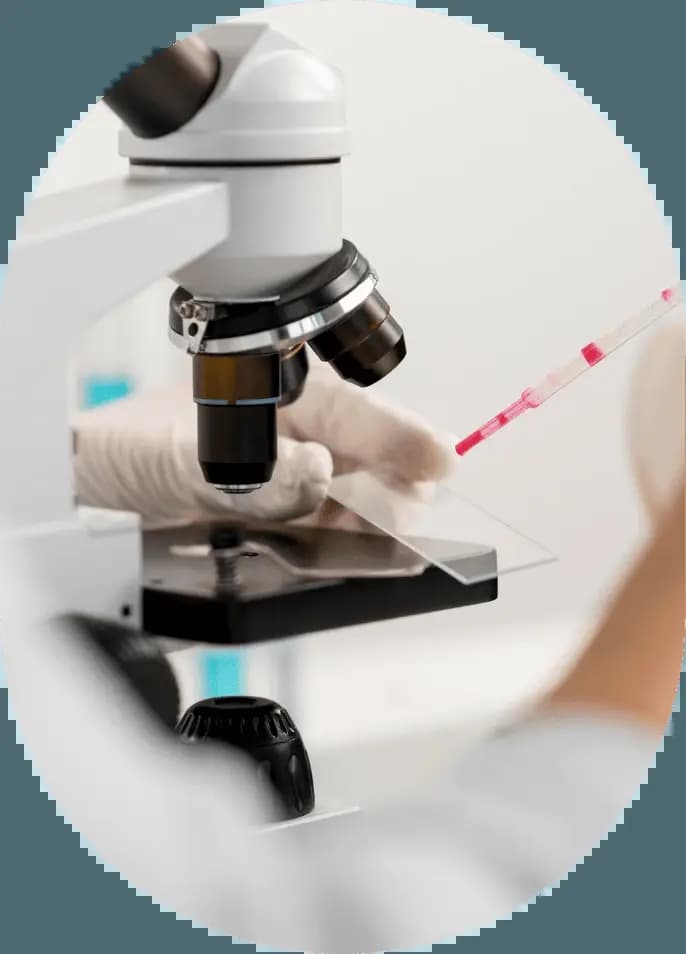
Clinical trials are research studies that involve human volunteers to test new treatments, interventions, or diagnostic tests for various diseases, including childhood cancer. Clinical trials are critical to improving the outcomes for children with cancer because they help researchers to develop new and more effective treatments.
Participating in a clinical trial may offer children with cancer access to treatments that are not yet available to the general public. Clinical trials may also provide children with cancer access to more specialized care, support, and follow-up. Before a clinical trial can begin, it undergoes a rigorous review process to ensure that it is safe and ethical. Clinical trials are conducted in several phases, with each phase designed to answer specific questions about the treatment’s safety, efficacy, and optimal dosage.
Early detection Guidelines
Early detection of childhood cancer is crucial for successful treatment and improved outcomes. Here are some general guidelines for early detection of childhood cancer
These are some Early detection Guidelines:

Know the early signs and symptoms
Radiation therapy, also known as radiotherapy, is a type of cancer treatment that uses high-energy radiation to kill cancer cells and shrink tumors. It can be used as a standalone treatment or in combination with other cancer
Regular check-ups
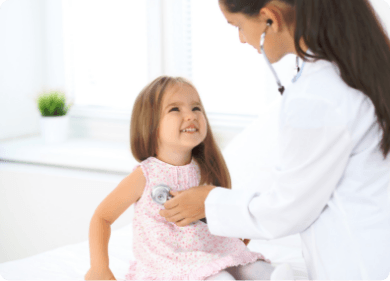
Regular check-ups with a pediatrician can help detect any abnormalities early on. During these check-ups, the pediatrician will perform a physical exam and may order blood tests or imaging studies if they suspect something is wrong.

Family history
Knowing your family history can help identify any inherited genetic disorders that increase the risk of childhood cancer. If there is a family history of cancer, it’s important to discuss this with your pediatrician.
Vaccinations
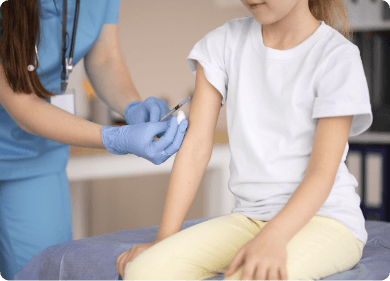
Vaccinations are associated with viral infections, such as hepatitis B and human papilloma virus (HPV). Vaccinations can help prevent these infections and reduce the risk of associated cancers.
Screening tests
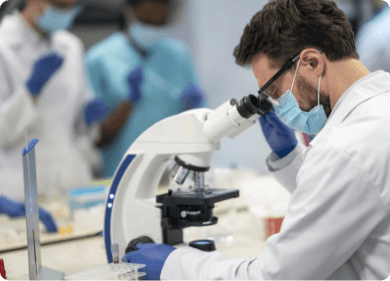
Screening tests can be detected early through screening tests. For example, a blood test called alpha-fetoprotein (AFP) can detect certain types of liver cancer, while a urine test can detect a type of kidney cancer called Wilms tumor.