


Nutritions
Overview
Nutritional Considerations for Childhood Cancer
Proper nutrition plays a crucial role in supporting the overall health and well-being of children with cancer. detection of childhood cancer is crucial for successful treatment and improved outcomes. Here are some general guidelines for early detection of childhood cancer
These are some nutrition during childhood cancer:

Balanced Diet
A balanced diet is important to provide essential nutrients for growth, development, and overall health. It typically includes a variety of fruits, vegetables, whole grains, lean proteins, and healthy fats.

Increased Caloric and Protein Needs
Children with cancer often have increased energy and protein requirements due to the demands of their illness and treatment. Adequate calorie intake helps maintain weight, promote healing, and support the immune system.
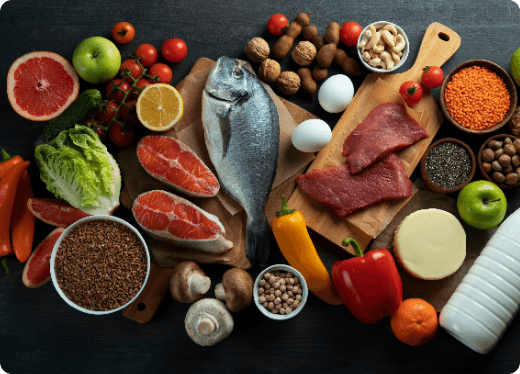
Protein-Rich Foods
Protein is essential for tissue repair, maintaining muscle mass, and supporting the immune system. Good sources of protein include lean meats, poultry, fish, dairy products, eggs, legumes, nuts, and seeds.

Micronutrients
Essential vitamins and minerals, such as vitamin C, vitamin D, zinc, and iron, are important for immune function, wound healing, and overall health. A diet rich in fruits, vegetables, whole grains, and dairy products can help provide these nutrients.

Hydration
Staying hydrated is crucial during cancer treatment. Encourage your child to drink adequate fluids throughout the day, such as water, herbal teas, and diluted fruit juices, to prevent dehydration.
Myths and facts
Debunking Misconceptions and Highlighting Essential Guidelines
Childhood cancer treatments have significantly improved survival rates, allowing many young individuals to overcome the disease. However, certain treatments can pose a risk to fertility, impacting the reproductive potential of childhood cancer survivors.
fact
Childhood cancer isn’t contagious, it’s not transmitted by a virus, nor is it infectious. It’s safe to play, socialisea and interact with childhood cancer survivors.
fact
Childhood cancer isn’t contagious, it’s not transmitted by a virus, nor is it infectious. It’s safe to play, socialise and interact with childhood cancer survivors.
fact
Childhood cancer isn’t contagious, it’s not transmitted by a virus, nor is it infectious. It’s safe to play, socialise and interact with childhood cancer survivors.