Knowledge Portal:Knowledge Portal:

Knowledge Portal:

Your go-to library for support, strength, and guidance on childhood cancer

How can we help?

Featured Topics
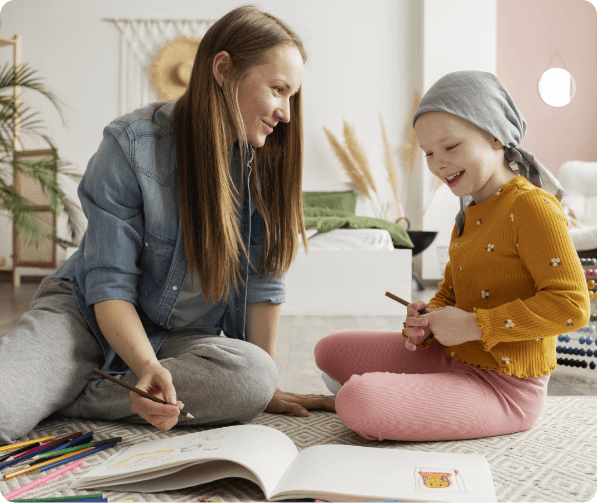
Message of hope to parents

Message of hope to parents

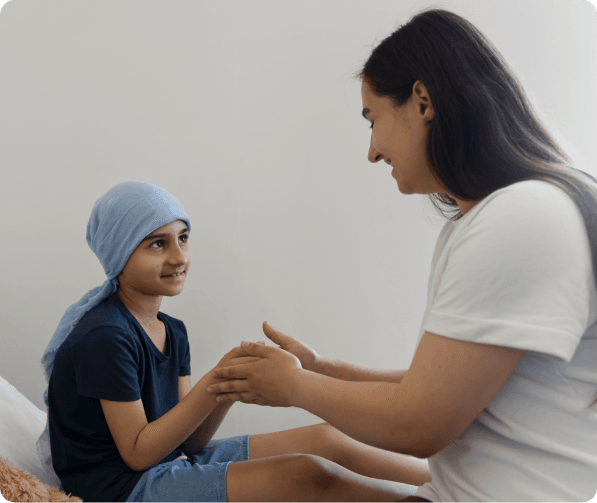
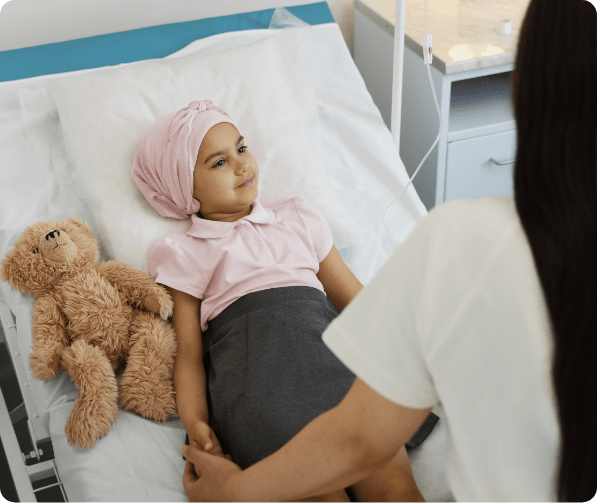
Hearing your child has cancer is overwhelming and frightening. Yet you are not alone—there is hope, help, and a caring community ready to support you and walk beside you each step.

Who is the team responsible for the medical care?

Who is the team responsible for the medical care?

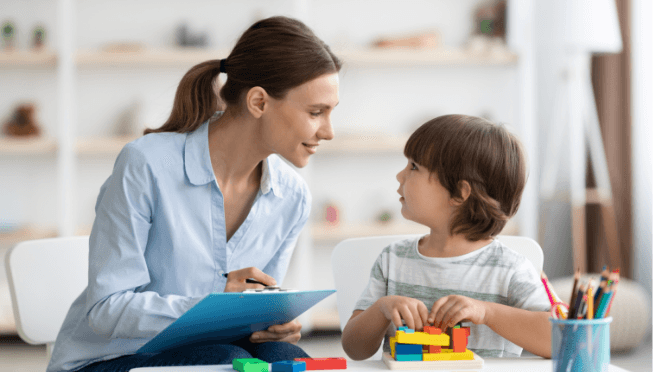
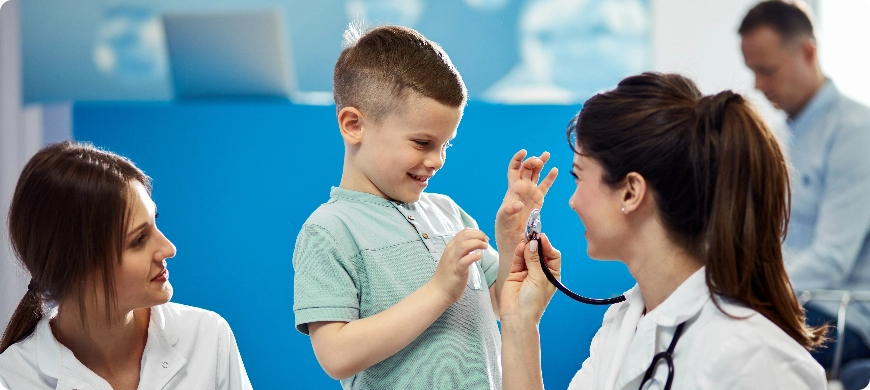
Multidisciplinary Team (MDT) is common in paediatric oncology. Professionals from different specialties collaborate while keeping boundaries, always placing the child and family at the centre.

How can I understand the medical jargon?

How can I understand the medical jargon?

Childhood cancer medical language is complex. Understanding the medical team, treatment, and hospital processes helps parents ask questions, gain confidence, and make decisions.

Supporting you

What is cancer?

What is cancer?

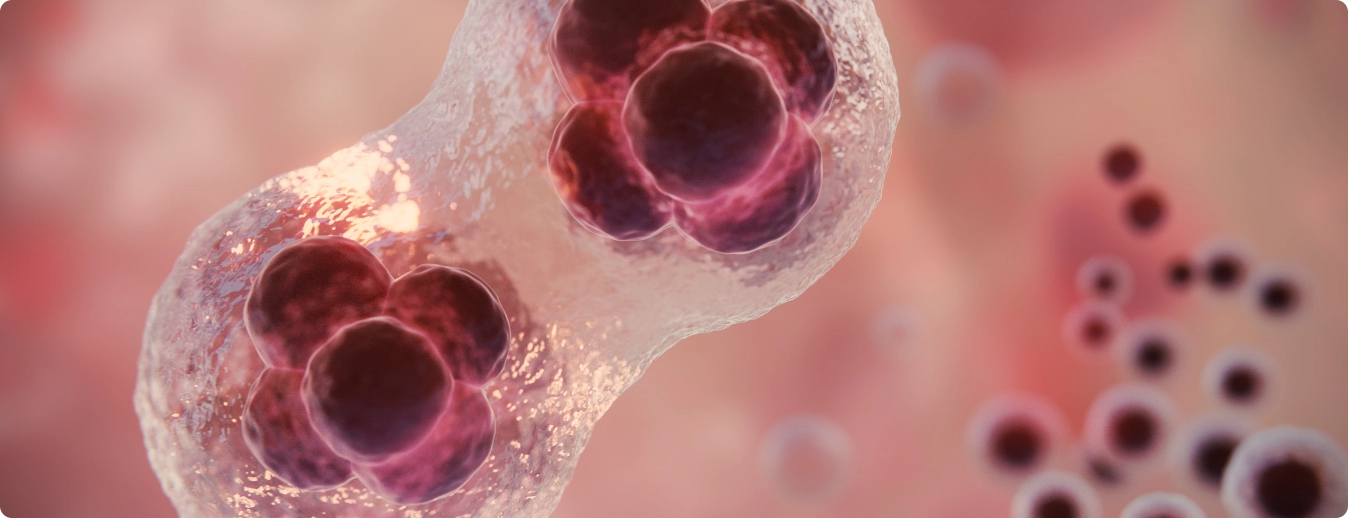
The organs and tissues of the body are made up of tiny building blocks called cells. Cancer is a disease of these cells. Normally cells grow in an orderly and controlled fashion. Cancer begins when a particular cell or group of cells in the body begin to multiply and grow without control.
Common childhood cancers

Common childhood cancers

Worldwide, leukaemia is the most common childhood cancer, accounting for about one third of all cases. The next most common childhood cancers are brain tumours and lymphomas, followed by embryonal tumours and sarcomas.
Early warning signs

Early warning signs

The most common early warning signs of children who might have cancer are: white reflex or white spot in the eye; lumps, bumps or masses; unexplained fever and loss of weight; fatigue; easy bleeding and brusing; aching bones, easy fractures etc.
Types of treatment

Types of treatment

Each type of cancer is different and therefore treated differently. Children's cancers are treated by surgery, radiotherapy, chemotherapy, bone marrow transplant and immunotherapy. Cancer treatment varies because each cancer is different and parents of a child undergoing treatment are encouraged to ask the medical team for clarification.

The organs and tissues of the body are made up of tiny building blocks called cells. Cancer is a disease of these cells. Normally cells grow in an orderly and controlled fashion. Cancer begins when a particular cell or group of cells in the body begin to multiply and grow without control.

Worldwide, leukaemia is the most common childhood cancer, accounting for about one third of all cases. The next most common childhood cancers are brain tumours and lymphomas, followed by embryonal tumours and sarcomas.

The most common early warning signs of children who might have cancer are: white reflex or white spot in the eye; lumps, bumps or masses; unexplained fever and loss of weight; fatigue; easy bleeding and brusing; aching bones, easy fractures etc.

Each type of cancer is different and therefore treated differently. Children's cancers are treated by surgery, radiotherapy, chemotherapy, bone marrow transplant and immunotherapy. Cancer treatment varies because each cancer is different and parents of a child undergoing treatment are encouraged to ask the medical team for clarification.

About Knowledge Portal

The Knowledge Portal is a free, easy-to-navigate global one-stop hub for information and inspiration on childhood cancer, offering guidance and hope for caregivers, siblings, friends, and more.
About Knowledge Portal
Ribbon

The Knowledge Portal is a free, easy-to-navigate global one-stop hub for information and inspiration on childhood cancer, offering guidance and hope for caregivers, siblings, friends, and more.

Childhood Cancer International (CCI)

CCI, the largest global patient support group for childhood cancer, unites 221+ members in 100+ countries, striving for universal access to quality care - leading to the creation of the Knowledge Portal.

La Fondation La Roche-Posay

La Fondation La Roche-Posay supports holistic care for children with cancer, addressing physical and emotional needs. Partnering with CCI, it helps deliver comprehensive, family-focused support across the cancer journey.

A commitment

Developed by CCI with financial support from La Fondation La Roche-Posay, the Knowledge Portal reflects our shared commitment to improving the lives of children with cancer and their families.