


Coping with Childhood Cancer
I am a child / teenager diagnosed with cancer – what does that mean?
- All
- informational stressors
- helpful approaches for the patient
Featured Topics
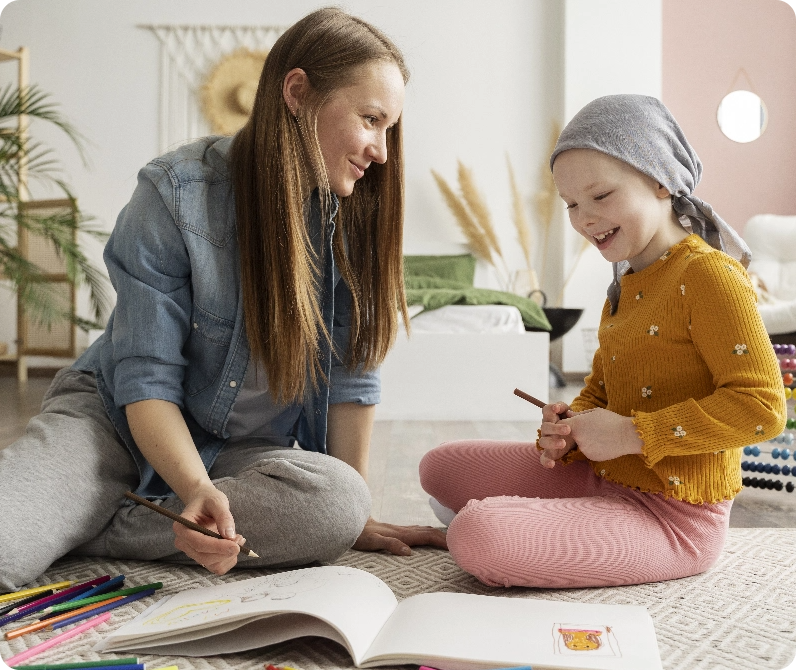
How can I understand the medical jargon?
The medical jargon (language) of childhood cancer is difficult to understand and is complex.

How do I take care of my physical health?
Long-term side effects in childhood cancer survivors vary widely depending on the type of cancer, the treatments used (chemotherapy, radiation, surgery, bone marrow transplant), and the child’s age at diagnosis. These side effects can appear months, years, or even decades later, and they’re often grouped into physical, cognitive, emotional and social impacts.

When can I go home?
We understand that you want to go home and that you miss the comfort, safety and normalcy of it. We also understand that you might feel lonely, bored, uncomfortable or that you are missing your family, friends or pets. We are keeping you in the hospital to keep you safe so that the medicine and treatment can make you better. Know that as soon as the medical team feels that you are strong and healthy enough to leave the hospital, you will be able to go home.
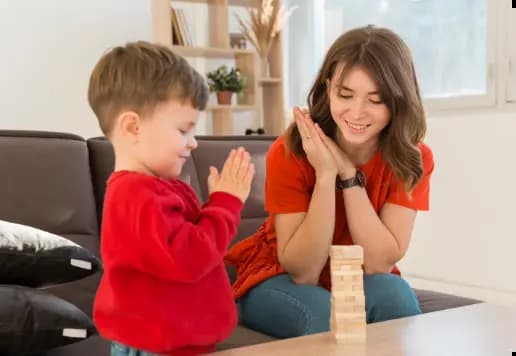
How do I cope as a patient?
The childhood cancer journey is a tough one, not only because of the treatment, but also because of the emotions, changes, and uncertainties that come with it. Nobody (patient, parents, families) can do it on their own. As a childhood cancer community, we are here to walk the journey with you. Remember that it is not your fault that you have cancer and you did nothing to cause it. Focus on today (the present) and take things one step, one treatment, one day at a time. Learn to lean on others and let people support you; you don’t have to be strong all the time.
Why do I have to stay in the hospital?
The hospital is a place where doctors and nurses help you to get better. However, it is normal for anyone to feel scared, anxious, confused, angry or frustrated about having to stay in the hospital.

I don’t understand my illness?
You have been diagnosed with something called cancer.
Our bodies are made up of tiny blocks called cells. Normal cells grow, work and when our bodies don’t need them anymore, or they get old or damaged, they die in a controlled way. This is called apoptosis! When you have cancer, it starts with one of these normal cells growing faster and out of control and not dying when they should. These, now abnormal or cancer cells form lumps, called tumours, or affect blood cells that lead to leukaemia (cancer of the blood). The cancer cells can spread to any part of the body via the blood stream or lymphatic system. Cancer is not contagious; you didn’t do anything to cause it as it is a mistake that gets made in your DNA (just like we can all make mistakes that we didn’t do on purpose!)

What is happening to me?
You may ask: “Why is this happening to me? Will I be ok? Why do I have to go through this? What happens if I don’t get better?”
Ways Parents Can Provide Emotional and Practical Support

Be there for your child
Your child needs you now more than ever. Show them that you are there for them and that you care.

Advocate for your child
Be your child’s advocate and work closely with their healthcare team. Make sure your child’s needs are being met and their care.

Keep things as normal as possible
Maintain routines and try to keep things as normal as possible for your child. This can help them feel more comfortable.

Relaxation techniques
Teach the child relaxation techniques such as deep breathing, visualization, or meditation. These techniques can help reduce anxiety

Be emotionally supportive
Consider seeking professional support for your child and your family. This can include counseling or therapy, support groups.

Positive thoughts
Encourage the child to focus on positive thoughts and feelings. Encourage them to visualize themselves getting better