QUICK VIEW

How do I cope as a patient?
- Talk about your feelings. If you keep your emotions to yourself, you might start to worry and become anxious and scared and these are not healthy emotions for any child or teenager to be feeling. You might need help. Using creative outlets like drawing, writing, music, or playing can help you express feelings that are hard to put into words. Ask questions, because if you understand what is happening to you and what to expect, you might feel less scared, anxious or worried.
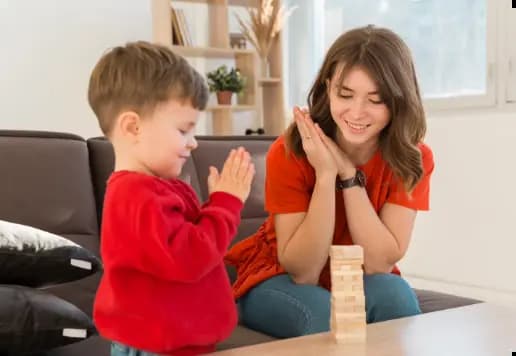
- When in hospital, you might want a familiar item (a favourite blanket, toy, or book a family photo) to make the hospital feel more like home and to bring you comfort. If there is a hospital school, ward volunteers to do activities, a play group or a play therapist, take part in the activities as these will bring feelings of normality to an abnormal world. Play games, build puzzles, watch movies, use apps on your telephone, iPad or tablet to stimulate your creative mind, to help pass time and take your mind your off treatment. Make friends with the other patients in the ward – remember they are in the same position as you are.
- Listening to or creating music can help you to relax, improve mood, and foster creativity. Music therapy has been used effectively to reduce stress and anxiety in children undergoing cancer treatment.
- Celebrate small wins for e.g. finishing a round of medicine, going home for the weekend, or even just getting through a tough day.
- Sleep helps healing - rest when you need to. The treatment can make you very tired, and that’s normal.
- Your appetite might change due to the treatment, but it is important to eat as healthy a diet as you can, although it might be difficult sometimes. Good food choices help your body to get healthy and strong.
- Stay connected. In some countries, children can link up with their teacher and classmates through video calls. If this is not available, use phone calls or messages to stay connected with friends and family to remind you that you’re not alone.
Read More:
- Aimee K Hildebrand, et.al. 2015. A mixed methods assessment of coping with pediatric cancer.
https://pmc.ncbi.nlm.nih.gov/articles/PMC3929263/?utm_source - Geralyn Dexter. Reviewed by Melissa Bronstein, LICSW. 2024. The Benefits of Art Therapy. https://www.verywellhealth.com/art-therapy 5212229?utm_source
- Children’s Health. (n.d.). Tips to cope with a childhood cancer diagnosis. https://www.childrens.com/health-wellness/tips-to-cope-with-a childhood-cancer-diagnosis?utm_source
- Davina Tiwari, Reviewed by Dena Wesphalen. 2023. Coping With Cancer: 15 Strategies for Emotional Wellbeing. https://www.choosingtherapy.com/coping-with-cancer/?utm_source
- Michael Vallejo. 2024. (n.d.). 10 Printable Coping Skills Worksheets for Kids & Teens. https://mentalhealthcenterkids.com/blogs/articles/coping skills-worksheets?utm_source
- Krista H Counseling. 2021. 75 Coping Skills for Kids (FREE Printable). https://kristahcounseling.com/2021/11/10/75-coping-skills-for-kids-free printable/?utm_source
- CHOC. 2022. Coping with a child’s cancer diagnosis: helpful techniques for parents, kids and siblings. https://health.choc.org/coping-with-a childs-cancer-diagnosis-helpful-techniques-for-parents-kids-and-siblings/
Related Parent Carers

What is happening to me?
You may ask: “Why is this happening to me? Will I be ok? Why do I have to go through this? What happens if I don’t get better?”

I don’t understand my illness?
You have been diagnosed with something called cancer.
Our bodies are made up of tiny blocks called cells. Normal cells grow, work and when our bodies don’t need them anymore, or they get old or damaged, they die in a controlled way. This is called apoptosis! When you have cancer, it starts with one of these normal cells growing faster and out of control and not dying when they should. These, now abnormal or cancer cells form lumps, called tumours, or affect blood cells that lead to leukaemia (cancer of the blood). The cancer cells can spread to any part of the body via the blood stream or lymphatic system. Cancer is not contagious; you didn’t do anything to cause it as it is a mistake that gets made in your DNA (just like we can all make mistakes that we didn’t do on purpose!)

Why do I have to stay in the hospital?
The hospital is a place where doctors and nurses help you to get better. However, it is normal for anyone to feel scared, anxious, confused, angry or frustrated about having to stay in the hospital.