


Coping with Childhood Cancer
You are a Parent or Carers
- All
- Helping your child
Featured Topics

The common side-effects of different cancer treatments
Chemotherapy, radiotherapy and surgery all have various effects on the body. The severity of these side effects depends on various factors such as the type and location of the cancer, the intensity of the treatment and the child's age.

What are the signs and symptoms of childhood cancer?
Symptoms are what the patient experiences and signs are what the healthcare professional sees.
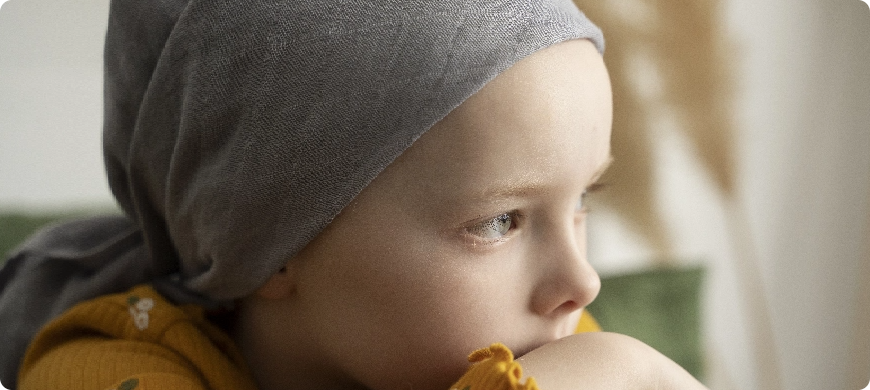
Are there early warning signs of childhood cancer ?
Different countries, organisations and institutions unpack the early warning signs of childhood cancer in different ways so that people can understand it.

What are the myths and beliefs that stigmatize childhood cancer?
Childhood cancer myths and beliefs are prevalent globally, often leading to fear, stigma, and delayed treatment. Common misconceptions include that childhood cancer is contagious, that children don't get cancer, and that childhood cancer is a death sentence.
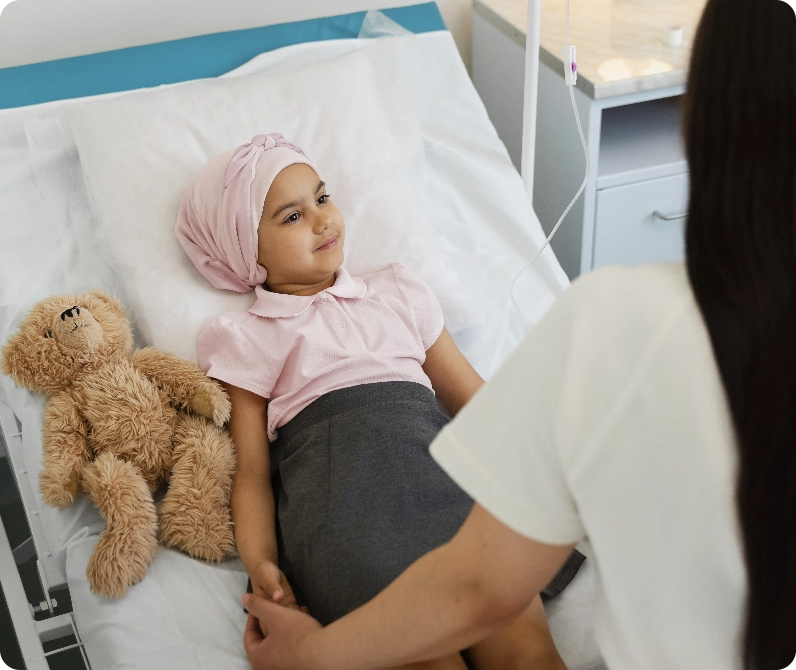
Treatment of Childhood cancer specifically aimed at parents.
Whilst cancer in children is a treatable disease and up to 70% of children can be cured, it remains a complex disease. Treating childhood cancer can be an extremely difficult and trying process, both for the child and the parents.

Common childhood cancers
Worldwide leukaemia is the most common childhood cancer, accounting for about one third of all cases.
What are the hindrances to childhood cancer treatment?
There is a lack of knowledge of the early warning signs of childhood cancer. In certain countries there is nothing in the basic or post basic training of nurses on paediatric oncology.
Is there a difference between adult and childhood cancer?
Childhood cancers usually occur in organs, because they mimic the dividing (primitive) cells of early foetal development. This rapid cell division means that childhood cancer responds well to treatment. Carcinomas are rare in children as they take many years to develop and are more evident in adults.
What is cancer?
The organs and tissues of the body are made up of tiny building blocks called cells. Cancer is a disease of these cells. Normally cells grow in an orderly and controlled fashion.
Ways Parents Can Provide Emotional and Practical Support

Be there for your child
Your child needs you now more than ever. Show them that you are there for them and that you care.

Advocate for your child
Be your child's advocate and work closely with their healthcare team. Make sure your child's needs are being met and their care.

Keep things as normal as possible
Maintain routines and try to keep things as normal as possible for your child. This can help them feel more comfortable.

Relaxation techniques
Teach the child relaxation techniques such as deep breathing, visualization, or meditation. These techniques can help reduce anxiety

Be emotionally supportive
Consider seeking professional support for your child and your family. This can include counseling or therapy, support groups.

Positive thoughts
Encourage the child to focus on positive thoughts and feelings. Encourage them to visualize themselves getting better