QUICK VIEW

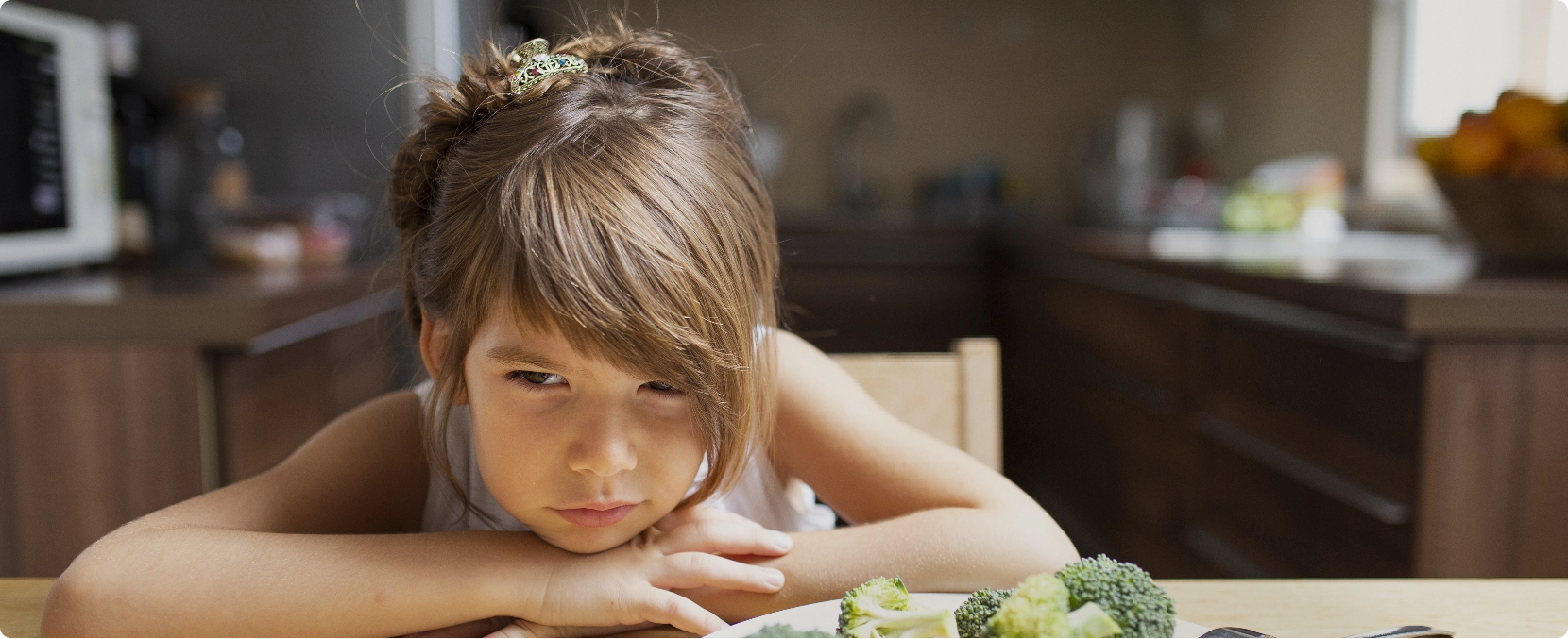
What is cancer?
The organs and tissues of the body are made up of tiny building blocks called cells. Cancer is a disease of these cells. Normally cells grow in an orderly and controlled fashion. Cancer begins when a particular cell or group of cells in the body begin to multiply and grow without control. Oncology is the study of these cells. The cancerous cells stop working properly and as their numbers increase, they form a lump or tumour. Eventually, the normal cells will be crowded out and the cancerous cells, if not treated, will take over. When cancer cells break away and spread to other parts of the body, they may produce secondary tumours known as metastases. Depending on the type of cancer, these cells can spread to the lungs, liver, bones, bone marrow and very rarely the brain.
Sometimes the cancer will affect the blood cells, causing Leukaemia; other cancerous cells form tumours. When these tumours form in bone or muscles, they are known as sarcomas. Cancers that affect the lymphoid organs such as the lymph nodes, spleen and thymus are known as lymphomas. Carcinomas are rare in children. Most tumours in children are malignant or “cancerous”. Very rarely benign or “non-cancerous” tumours occur in children. However, these may cause harm by pressing on the tissues next to them. Childhood cancers are quite different from cancers affecting adults. They tend to occur in the organs of the body, look different under the microscope and respond differently to treatment (more favourably). Cure rates for most childhood cancers are much higher than those for most adult cancers.
In 2015, at the 68th World Health Assembly in Geneva, Switzerland the technical committee acknowledged that childhood cancer was neglected. In 2018 The World Health Organization (WHO) announced The Global Initiative for Childhood Cancer (GICC. This was a response to the World Health Assembly resolution for Cancer Prevention and Control through an Integrated Approach (WHA70.12) focussing on reducing premature mortality from noncommunicable disease (NCD) and achieving universal health coverage. The aim of the GICC is to reach a 60% survival rate for children with cancer by 2030, thereby saving an additional one million lives. This new target represents a doubling of the global cure rate for children with cancer.
Read More:
- WHO Childhood Cancer Facts. https://www.who.int/news-room/fact-sheets/detail/cancer-in-children
- WHO launches new tools to help countries build effective childhood cancer programmes. https://www.who.int/news/item/15-02-2021-who launches-new-tools-to-help-countries-build-effective-childhood-cancer-programmes
Related Parent Carers
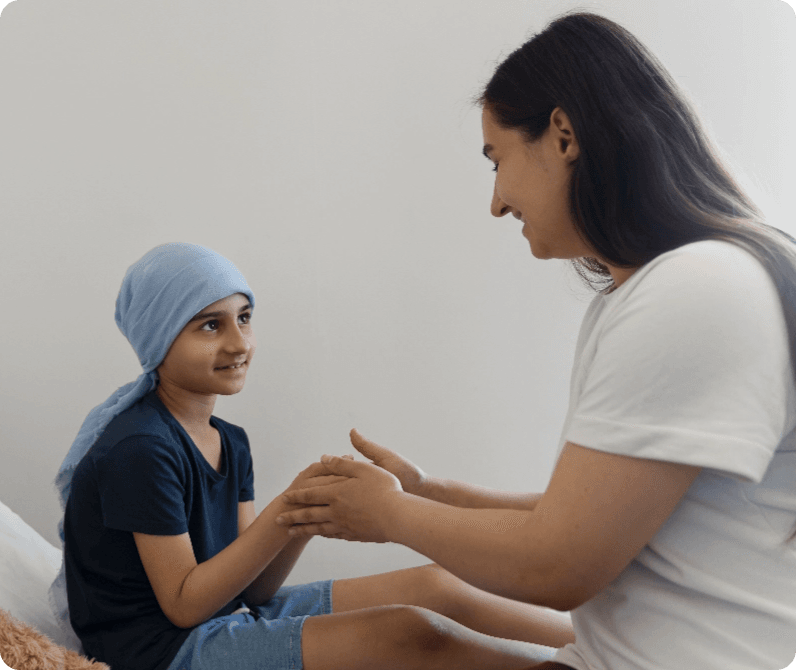
Informational stressors for parents (caregivers) who have a child diagnosed with cancer
A child with cancer will always have a multidisciplinary team, and within that, each discipline (like nurses, doctors, therapists) may function as intra-disciplinary sub-teams to ensure consistency.
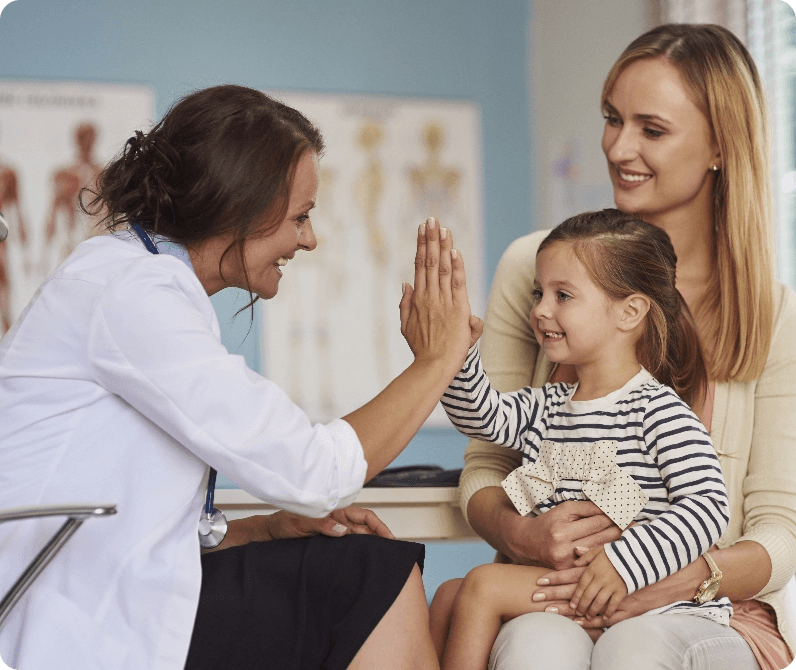
Educating your community of family and friends
Sharing a child’s cancer journey with one’s community can raise awareness, build understanding, and gather emotional or practical support. However, it is equally important to do so in a way that protects the child’s privacy and the family’s emotional wellbeing.
Message from parents to parents
Hearing that your child has cancer is one of the most overwhelming experiences a parent can face. It often triggers a series of emotional and psychological reactions, commonly described in phases like the stages of grief, though each parent may experience them differently.