Uplifting Children with Cancer
Childhood cancer, a devastating illness; affects not only the child but their family and loved ones too
About UsHow can we help?
"Knowledge is power. Information is liberating." -Kofi Annan
Featured Topics
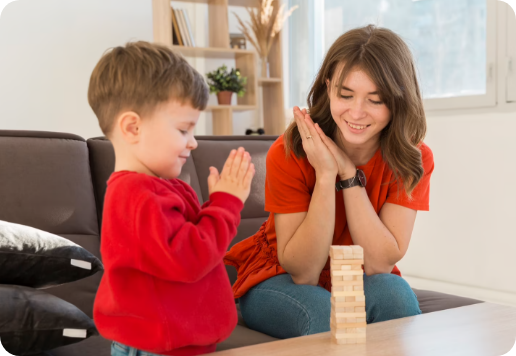
Talking to Children about their Cancer
It is only natural to want to protect a child and their siblings about a cancer diagnosis. However, for most children La Fondation La Roche-Posay and CCI make every effort to ensure that information provided is accurate and up-to-date at time of printing. We do not accept responsibility for information provided by third parties, including those referred to or signposted to in this publication. Information in this publication should be used to supplement appropriate professional or other advice specific to your circumstances.
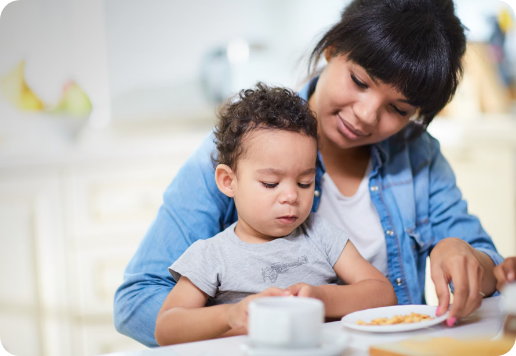
Feeding a Child with cancer 5 goals to keep in mind during treatment
Having a child who is seriously ill is a very stressful situation La Fondation La Roche-Posay and CCI make every effort to ensure that information provided is accurate and up-to-date at time of printing. We do not accept responsibility for information provided by third parties, including those referred to or signposted to in this publication. Information in this publication should be used to supplement appropriate professional or other advice specific to your circumstances.
Ask for Help
Make the most of when your child’s appetite is at its best. For many, this is in the morning. Try some of these breakfast ideas: porridge, pancakes with syrup or jam, yoghurt and fruit, bacon and eggs, hash browns, sausages, beans or spaghetti hoops on toast, omelette, scrambled eggs, cheese on toast. Remember, there is no need to stick to traditional breakfast foods, why not try sandwiches, custard or cakes and biscuits instead?
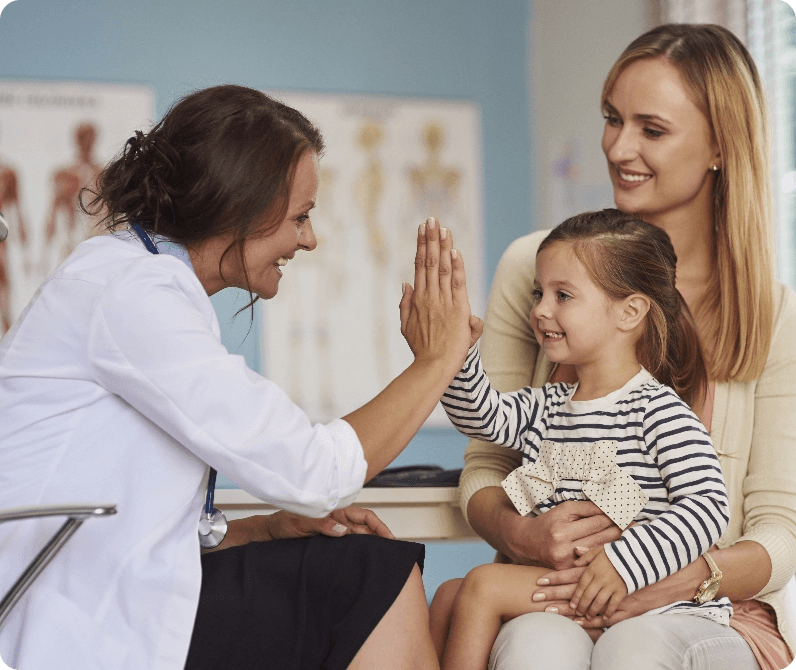
Cancer Diagnosis how might my Child React
Avoid filling your child up with low energy, bulky foods such as clear soups, vegetables and fruit. “Power pack” the food: add extra protein and energy by mixing in extra milk, cream, oil, nut butters (for more ideas, see section How to add extra calories and protein to food ).
Childhood Cancer at a glance
The Different Aspects of Childhood Cancer
It takes a village to take care of a child with cancer. Here are the different perspectives of childhood cancer.
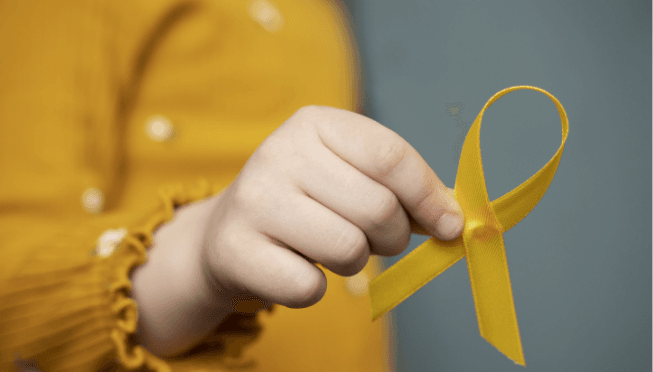
You are Child with Cancer

You are a Parent or Carers
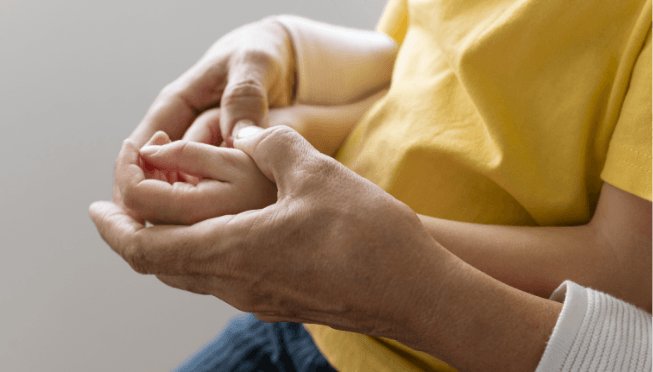
You are a Family Member or Friend
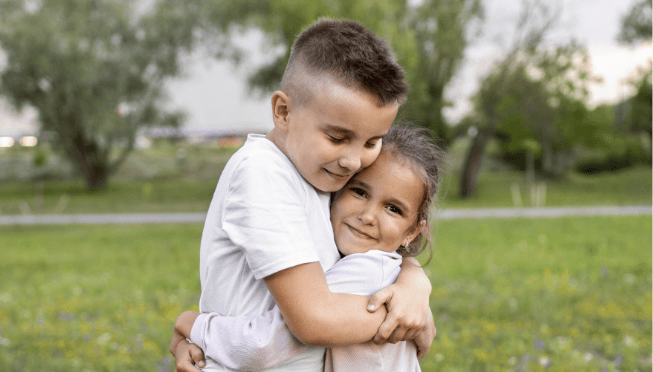
You are a Sibling

You are a Grand Parents
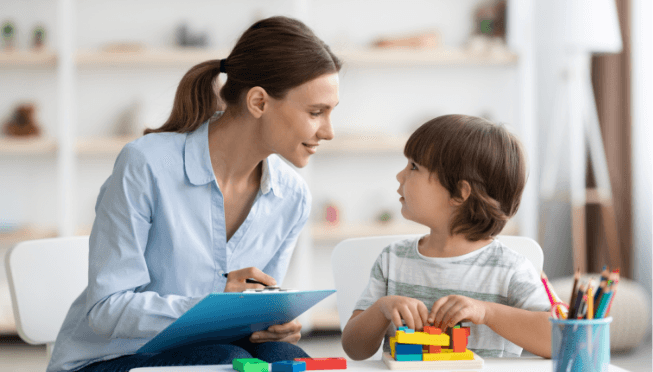
You are a Social Worker
About us
Navigating Childhood Cancer Made Easy
We strive to improve quality of life for children and their families and have developed a programme focused on strengthening relationships strained by the disease, facilitating stronger connection with others.
About Us


All about CCI
The Brains Behind Knowledge Portal
CCI (Childhood Cancer International) vehemently believes that every child with cancer deserves the best treatment and care. With this in mind, CCI came up with the idea to create Knowledge Portal to ensure that all information pertaining to childhood cancer is available at your finger tips.
Read More All about CCI
CCI (Childhood Cancer International) vehemently believes that every child with cancer deserves the best treatment and care. With this in mind, CCI came up with the idea to create Knowledge Portal to ensure that all information pertaining to childhood cancer is available at your finger tips.
Read MoreThe Purpose
To compile all relevant and current information relating to childhood cancer.
The Development
Developed with the gracious help of experts in the field, be it in the realm of medicine or beyond.
The Impact
There's no need to trawl the internet for information; everything is here, well-compiled and organized.
Quick Links
Supporting Children and Families
Quick Links
Supporting Children and Families
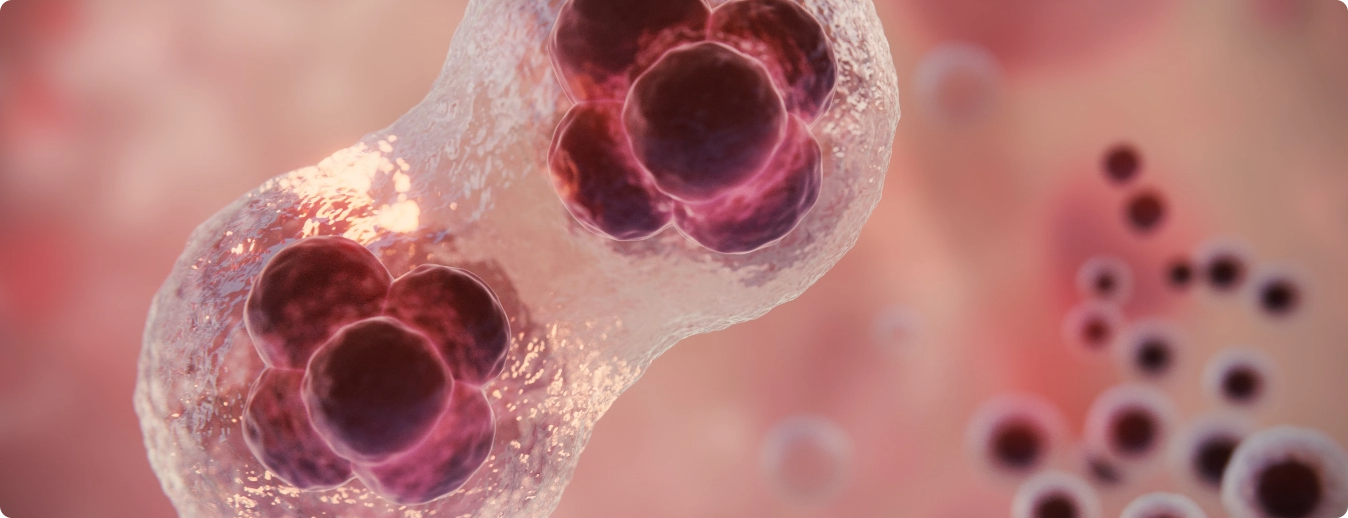
Types of cancer
Childhood cancer can be categorized into various types based on the type of cells that become cancerous, including leukemia, brain and central nervous system tumors, lymphoma, neuroblastoma, Wilms tumor, rhabdomyosarcoma, retinoblastoma, osteosarcoma, Ewing sarcoma, and hepatoblastoma, each with unique characteristics and treatment approaches.
Childhood cancer can be categorized into various types based on the type of cells that become cancerous, including leukemia, brain and central nervous system tumors, lymphoma, neuroblastoma, Wilms tumor, rhabdomyosarcoma, retinoblastoma, osteosarcoma, Ewing sarcoma, and hepatoblastoma, each with unique characteristics and treatment approaches.
Types of Treatments
Childhood cancer can be categorized into various types based on the type of cells that become cancerous, including leukemia, brain and central nervous system tumors, lymphoma, neuroblastoma, Wilms tumor, rhabdomyosarcoma, retinoblastoma, osteosarcoma, Ewing sarcoma, and hepatoblastoma, each with unique characteristics and treatment approaches.
Childhood cancer can be categorized into various types based on the type of cells that become cancerous, including leukemia, brain and central nervous system tumors, lymphoma, neuroblastoma, Wilms tumor, rhabdomyosarcoma, retinoblastoma, osteosarcoma, Ewing sarcoma, and hepatoblastoma, each with unique characteristics and treatment approaches.
Side Effects
Childhood cancer can be categorized into various types based on the type of cells that become cancerous, including leukemia, brain and central nervous system tumors, lymphoma, neuroblastoma, Wilms tumor, rhabdomyosarcoma, retinoblastoma, osteosarcoma, Ewing sarcoma, and hepatoblastoma, each with unique characteristics and treatment approaches.
Childhood cancer can be categorized into various types based on the type of cells that become cancerous, including leukemia, brain and central nervous system tumors, lymphoma, neuroblastoma, Wilms tumor, rhabdomyosarcoma, retinoblastoma, osteosarcoma, Ewing sarcoma, and hepatoblastoma, each with unique characteristics and treatment approaches.
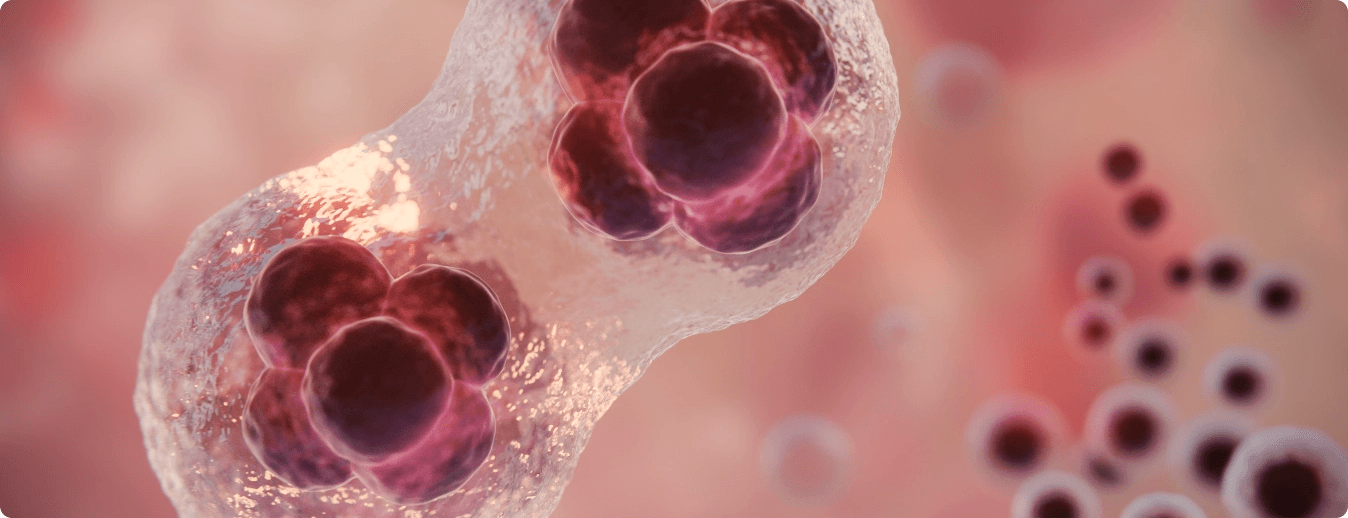
Late side effects
Childhood cancer can be categorized into various types based on the type of cells that become cancerous, including leukemia, brain and central nervous system tumors, lymphoma, neuroblastoma, Wilms tumor, rhabdomyosarcoma, retinoblastoma, osteosarcoma, Ewing sarcoma, and hepatoblastoma, each with unique characteristics and treatment approaches.
Childhood cancer can be categorized into various types based on the type of cells that become cancerous, including leukemia, brain and central nervous system tumors, lymphoma, neuroblastoma, Wilms tumor, rhabdomyosarcoma, retinoblastoma, osteosarcoma, Ewing sarcoma, and hepatoblastoma, each with unique characteristics and treatment approaches.
Clinical Trials
Childhood cancer can be categorized into various types based on the type of cells that become cancerous, including leukemia, brain and central nervous system tumors, lymphoma, neuroblastoma, Wilms tumor, rhabdomyosarcoma, retinoblastoma, osteosarcoma, Ewing sarcoma, and hepatoblastoma, each with unique characteristics and treatment approaches.
Childhood cancer can be categorized into various types based on the type of cells that become cancerous, including leukemia, brain and central nervous system tumors, lymphoma, neuroblastoma, Wilms tumor, rhabdomyosarcoma, retinoblastoma, osteosarcoma, Ewing sarcoma, and hepatoblastoma, each with unique characteristics and treatment approaches.
Childhood cancer can be categorized into various types based on the type of cells that become cancerous, including leukemia, brain and central nervous system tumors, lymphoma, neuroblastoma, Wilms tumor, rhabdomyosarcoma, retinoblastoma, osteosarcoma, Ewing sarcoma, and hepatoblastoma, each with unique characteristics and treatment approaches.
Childhood cancer can be categorized into various types based on the type of cells that become cancerous, including leukemia, brain and central nervous system tumors, lymphoma, neuroblastoma, Wilms tumor, rhabdomyosarcoma, retinoblastoma, osteosarcoma, Ewing sarcoma, and hepatoblastoma, each with unique characteristics and treatment approaches.
Childhood cancer can be categorized into various types based on the type of cells that become cancerous, including leukemia, brain and central nervous system tumors, lymphoma, neuroblastoma, Wilms tumor, rhabdomyosarcoma, retinoblastoma, osteosarcoma, Ewing sarcoma, and hepatoblastoma, each with unique characteristics and treatment approaches.
Childhood cancer can be categorized into various types based on the type of cells that become cancerous, including leukemia, brain and central nervous system tumors, lymphoma, neuroblastoma, Wilms tumor, rhabdomyosarcoma, retinoblastoma, osteosarcoma, Ewing sarcoma, and hepatoblastoma, each with unique characteristics and treatment approaches.
Childhood cancer can be categorized into various types based on the type of cells that become cancerous, including leukemia, brain and central nervous system tumors, lymphoma, neuroblastoma, Wilms tumor, rhabdomyosarcoma, retinoblastoma, osteosarcoma, Ewing sarcoma, and hepatoblastoma, each with unique characteristics and treatment approaches.
Childhood cancer can be categorized into various types based on the type of cells that become cancerous, including leukemia, brain and central nervous system tumors, lymphoma, neuroblastoma, Wilms tumor, rhabdomyosarcoma, retinoblastoma, osteosarcoma, Ewing sarcoma, and hepatoblastoma, each with unique characteristics and treatment approaches.
Childhood cancer can be categorized into various types based on the type of cells that become cancerous, including leukemia, brain and central nervous system tumors, lymphoma, neuroblastoma, Wilms tumor, rhabdomyosarcoma, retinoblastoma, osteosarcoma, Ewing sarcoma, and hepatoblastoma, each with unique characteristics and treatment approaches.
Childhood cancer can be categorized into various types based on the type of cells that become cancerous, including leukemia, brain and central nervous system tumors, lymphoma, neuroblastoma, Wilms tumor, rhabdomyosarcoma, retinoblastoma, osteosarcoma, Ewing sarcoma, and hepatoblastoma, each with unique characteristics and treatment approaches.
Childhood cancer can be categorized into various types based on the type of cells that become cancerous, including leukemia, brain and central nervous system tumors, lymphoma, neuroblastoma, Wilms tumor, rhabdomyosarcoma, retinoblastoma, osteosarcoma, Ewing sarcoma, and hepatoblastoma, each with unique characteristics and treatment approaches.
Childhood cancer can be categorized into various types based on the type of cells that become cancerous, including leukemia, brain and central nervous system tumors, lymphoma, neuroblastoma, Wilms tumor, rhabdomyosarcoma, retinoblastoma, osteosarcoma, Ewing sarcoma, and hepatoblastoma, each with unique characteristics and treatment approaches.
FAQ's
Frequently Searched Topics
I’m worried if my child has Cancer
My Child has been Diagnosed with Cancer
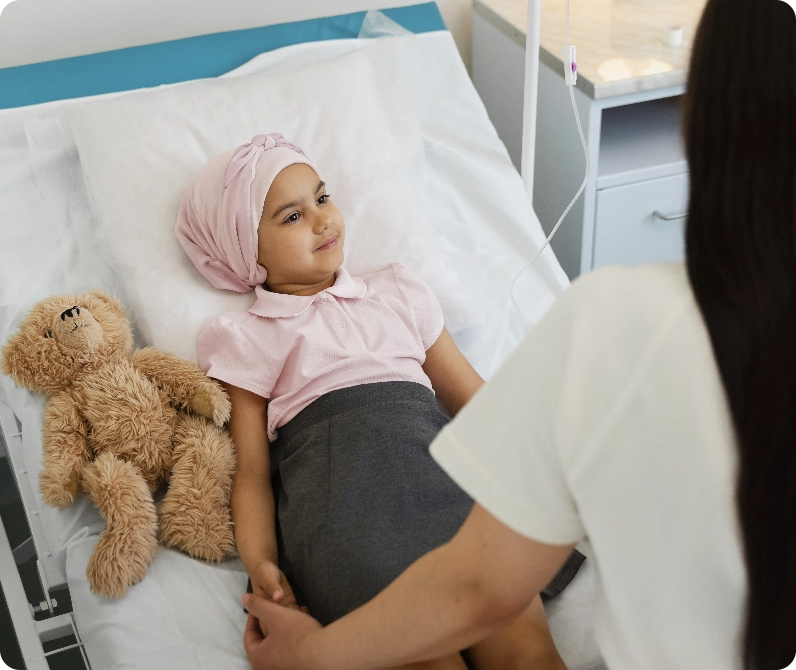
During Treatments
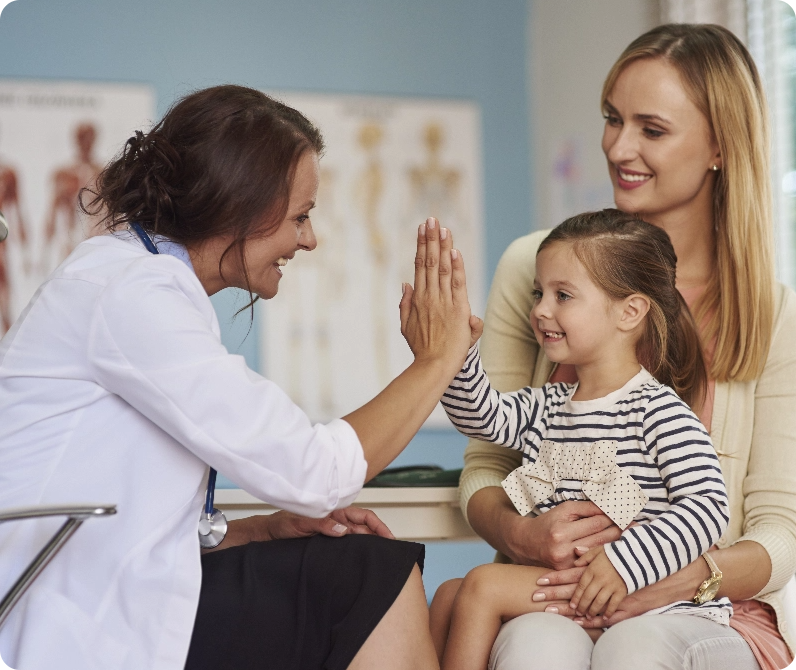
Treatments are Finished
My Child Cannot be Cured
Lifestyle
Embracing a Healthy Lifestyle after Childhood Cancer
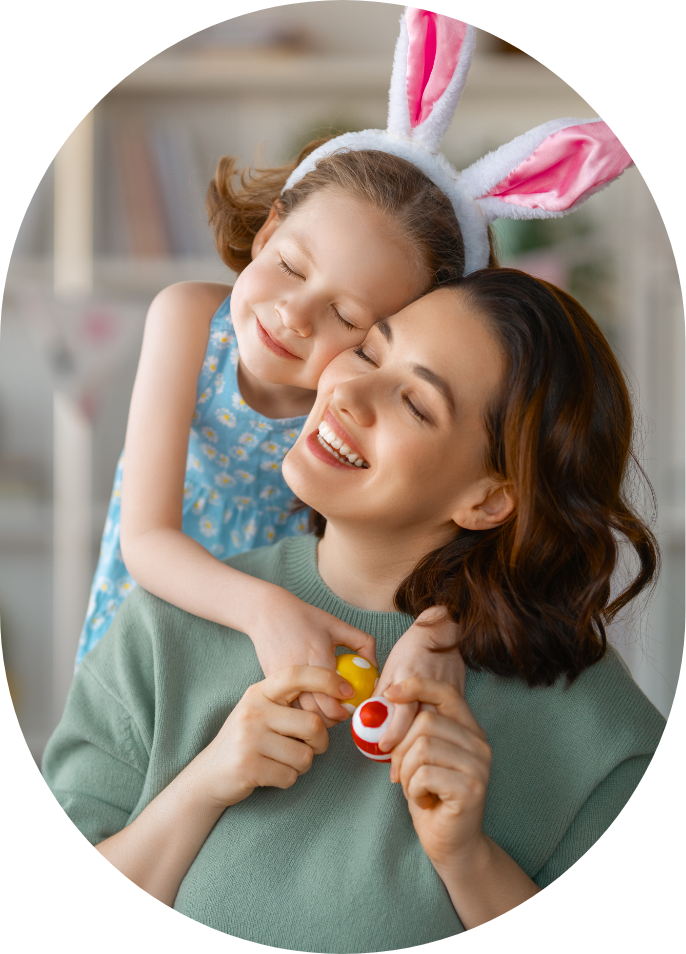

Lifestyle
Embracing a Healthy Lifestyle after Childhood Cancer
Childhood cancer treatments have significantly improved survival rates, allowing many young individuals to overcome the disease. A healthy lifestyle is one of the key reasons to overcome the disease and remain cancer-free.
- The Importance of a Healthy Lifestyle
- Components of a Post Cancer Lifestyle
- Practical Tips for Embracing a Healthy Lifestyle